What Happens at a Dog Training Overnight Camp?
A dog training overnight camp pairs overnight care with daily training. Your dog practices skills such as leash manners, recall, or calmer greetings with a trainer, then rests and follows a steady routine. To decide if a camp is right for your dog, ask how the trainer handles your dog’s specific needs, what methods they use, and how they’ll teach you to keep the progress going at home.
The stay can give a busy household a head start, but it won’t do all the work for you. The handoff matters: you need to know what your dog learned and how to practice it in everyday life.
I’m Katelyn Mendigorin, owner of Good Dog Greeley. For a decade, I’ve worked with puppies and reactive adults through hands-on training, including dog training overnight camp in a home setting, and I’ll walk you through what to look for before you book.

At its heart, an overnight camp blends boarding with focused daily schooling. Instead of sitting in a traditional kennel all day, your pup stays in a real home setting where good manners get practiced from morning to night.
Every day follows a balanced rhythm. Dogs get several dedicated one-on-one sessions spread throughout the day, interspersed with structured rest, mental enrichment, and daily walks. Because learning takes mental effort, quiet time in a crate or cozy sleeping area is just as vital as the active sessions. You can learn more about how immersion programs function in our Board and Train Complete Guide 2026.
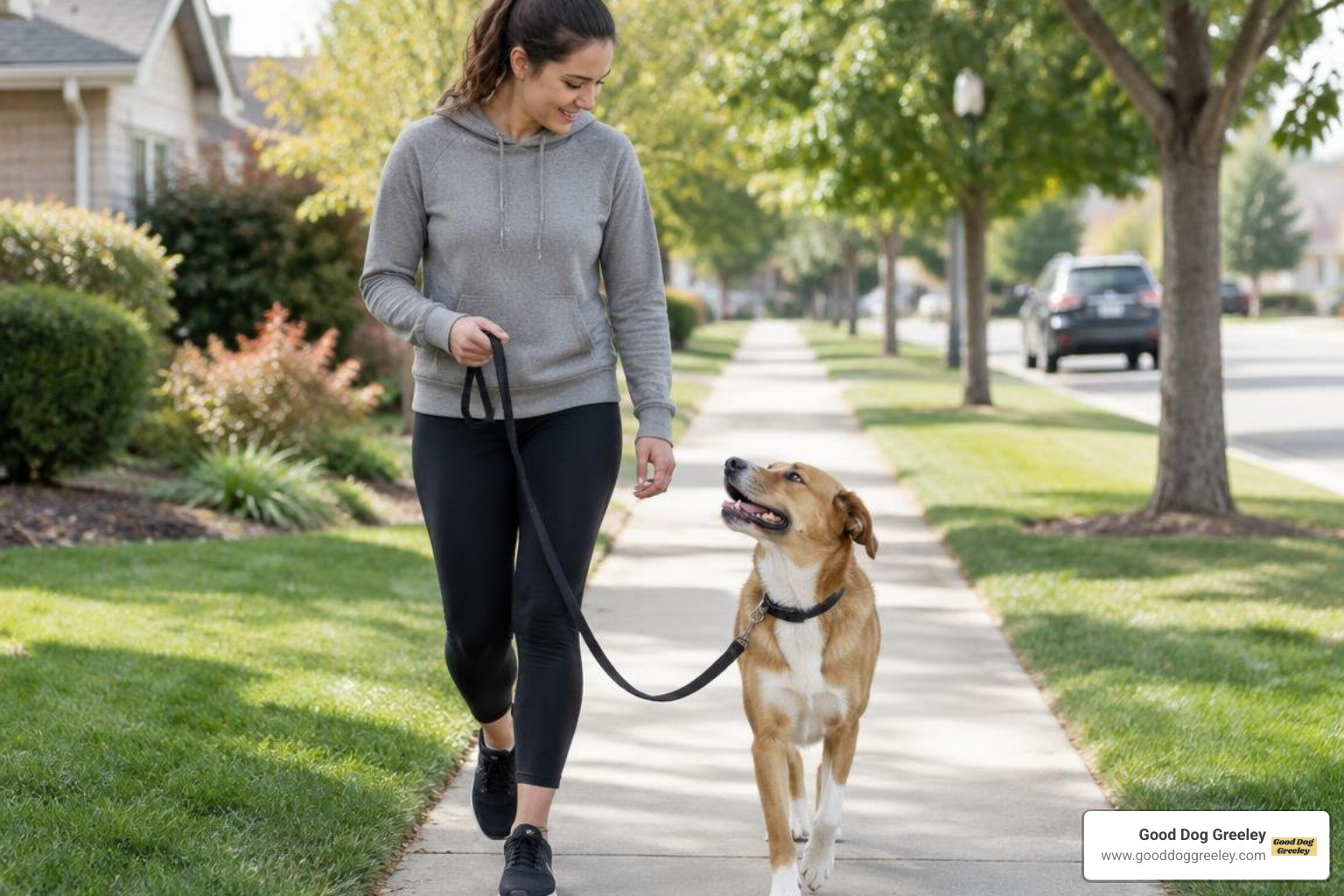
What skills and behaviors can a camp work on?
An overnight stay creates a controlled environment where trainers can address a wide variety of habits. Because the trainer manages the dog's daily routines, they can quickly pinpoint triggers and build solid replacement behaviors.
Common focus areas include:
- Polite leash walking: Teaching dogs to walk nicely without dragging you down the street.
- Rock-solid recall: Building a dependable response when called, even around neighborhood distractions.
- Impulse control: Stopping jumping on houseguests, counter surfing, and doorway darting.
- Crate and house routines: Establishing clean bathroom habits and restful crate behavior.
- Reactivity and big feelings: Helping dogs learn emotional neutrality around other dogs, people, or traffic.
For pups dealing with complex challenges or intense bark-and-lunge reactions, check out our guide on rehabilitating reactive dogs in board and train or explore our aggression board and train guide to see how deep behavioral work is structured.
What training methods and tools might trainers use?
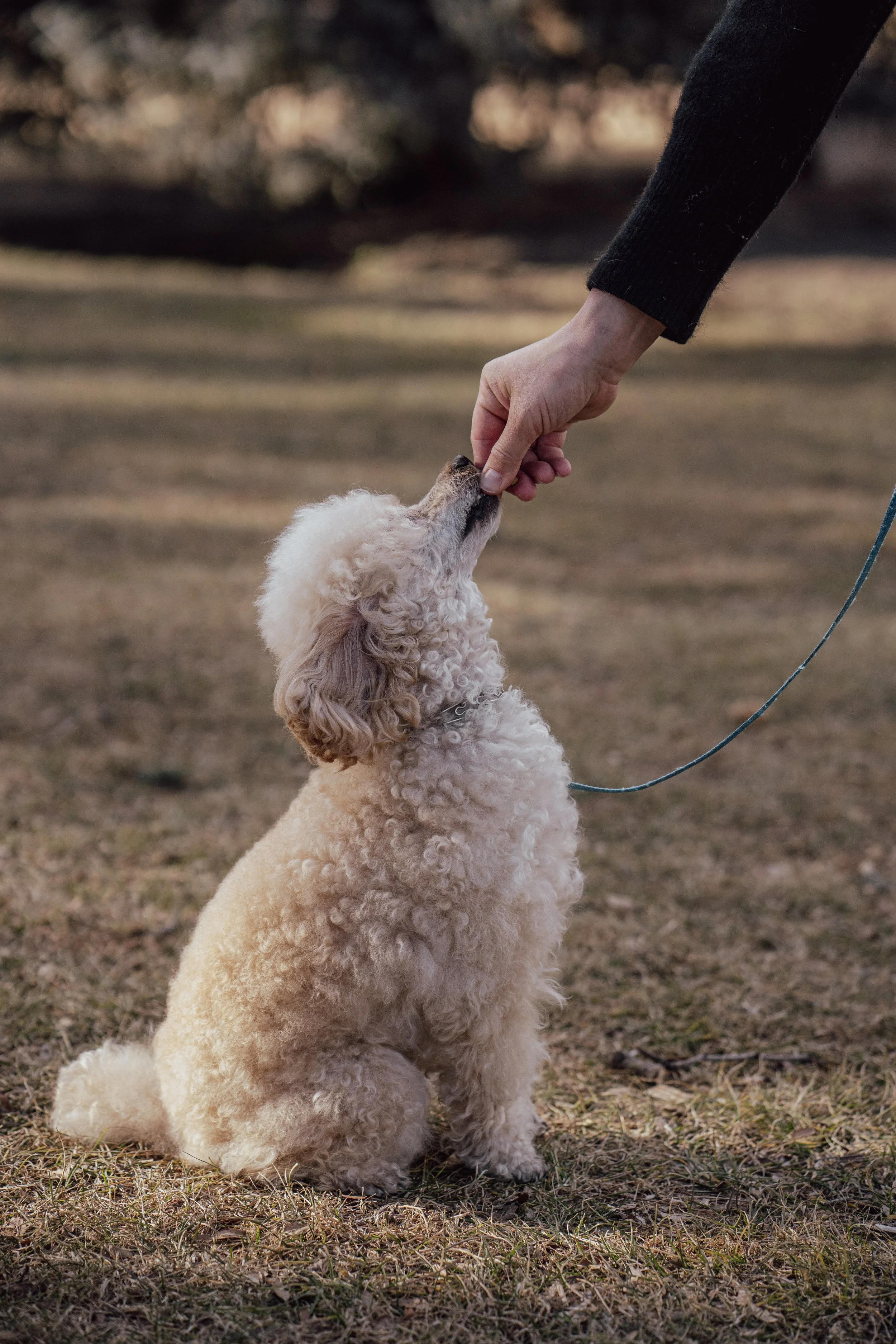
We believe in a balanced training approach that creates clear, fair communication between dog and human. That means we use high-value rewards like treats, praise, and play to teach new skills while setting clear boundaries so dogs understand what is expected of them.
Marker training, where a word like "yes" or a clicker marks the exact moment your dog gets it right, helps pinpoint success. When appropriate, balanced trainers also introduce specialized tools such as prong collars or modern e-collars. When properly fitted and introduced with skilled, gentle guidance, these tools provide clear communication and reliable off-leash freedom. Every training plan should be customized to your individual dog's temperament and needs rather than forced into a rigid mold.
What is usually included in a camp package?
A well-rounded sleepaway package takes care of your dog from nose to tail while keeping you fully in the loop. Most comprehensive packages include:
- Customized training roadmap: Tailored specifically to your dog's age, breed tendencies, and lifestyle goals.
- Home-style lodging and care: Regular meals, comfortable sleeping areas, daily walks, and enrichment games.
- Daily wellness checks: Monitoring physical health, appetite, coat condition, and stress levels.
- Regular photo and video updates: Showing you real-time progress and behind-the-scenes practice.
- A detailed departure lesson: A hands-on private coaching session at pickup where we transfer handling skills to you.
- Follow-up support: In-person lessons and ongoing trainer guidance once your dog is back in your living room.
Is an overnight dog-training camp the right fit?
Deciding to send your pup away for camp comes down to your dog's temperament, your schedule, and your overall goals. It is a fantastic choice for busy families, working professionals, or anyone who feels overwhelmed by starting training from scratch.
However, an overnight camp is not a magic wand that works without your involvement. Dogs learn in context, so they need you to keep up the same boundaries once they unpack their bags at home.
How long should a dog training overnight camp last?
The right duration depends entirely on what your pup needs to accomplish. Basic manners and foundational obedience generally take several weeks of consistent repetition. Behavior modification for issues like fear, reactivity, or resource guarding requires a longer stay to reshape emotional responses and practice behaviors around real-world distractions.
Longer stays give trainers the time needed to build solid habits, practice in varied environments, and ensure the dog is confident before heading home.
Is a dog training overnight camp suitable for puppies?
Yes, young dogs can thrive in an overnight program if it is built specifically for puppy development. The primary socialization window closes around 20 weeks of age, making early life experiences foundational for lifelong behavior.
A puppy-specific camp focuses on:
- Positive, age-appropriate exposure to novel sights, sounds, and surfaces
- Foundational house training and crate confidence
- Basic polite manners (sitting for meals, no play-biting)
- Plenty of scheduled naps to prevent overtired tantrums
Puppy programs must follow strict health and vaccination protocols while balancing gentle learning with ample rest.
When might another training option be a better fit?
While overnight camps are powerful, they are not the best fit for every scenario. If a dog suffers from severe separation distress, being away from home can sometimes elevate their baseline stress too high for effective learning. Similarly, owners who want to be the primary handler every single step of the way often prefer private coaching or our structured dog walking programs.
How do you choose and compare an overnight camp?
Because dog training is an unregulated field, doing your homework before handing over the leash is essential. Look for trainers who have extensive hands-on experience, clear communication styles, and a willingness to explain their methods in plain English.
Many top trainers hold certifications or memberships with professional bodies such as the Certification Council for Professional Dog Trainers, Fear Free, the International Association of Canine Professionals, or the Association of Professional Dog Trainers. Beyond credentials, ask to see video examples of their work and read honest reviews from pet owners in your area.
To see what standard programs cost across the board, take a look at our breakdown of current board and train rates.
What should you ask before booking?
Before signing on the dotted line, ask these practical questions:
- Where does my dog physically sleep and rest throughout the day?
- How many hours of direct, one-on-one training will my dog receive daily?
- What specific tools do you use, and how do you introduce them?
- How often will I receive progress updates and videos?
- What are your emergency veterinary protocols?
- How many follow-up sessions are included to teach me the system?
How does camp compare with structured dog walking or owner-led practice?
Choosing the right format depends on how much time you have and how quickly you want to see results. Here is how overnight camp stacks up against other popular training paths:
| Feature | Overnight Training Camp | Structured Dog Walking | Owner-Led Daily Practice |
|---|---|---|---|
| Primary Setting | Trainer's home environment | Your local neighborhood | Your home and community |
| Owner Time Commitment | Low during camp; moderate after pickup | Low to moderate weekly | High daily commitment |
| Learning Pace | Rapid, full-immersion repetition | Steady, incremental progress | Depends entirely on your consistency |
| Best For | Fast foundation building & reactivity | Leash manners & busy workdays | Hands-on owners with ample free time |
| Skill Transfer | Comprehensive departure & follow-up lessons | Ongoing trainer notes and check-ins | Self-guided or weekly lessons |
If your dog just needs regular mid-day physical exercise combined with polite loose-leash practice, exploring our full range of pet care and walking services might be the ideal alternative.
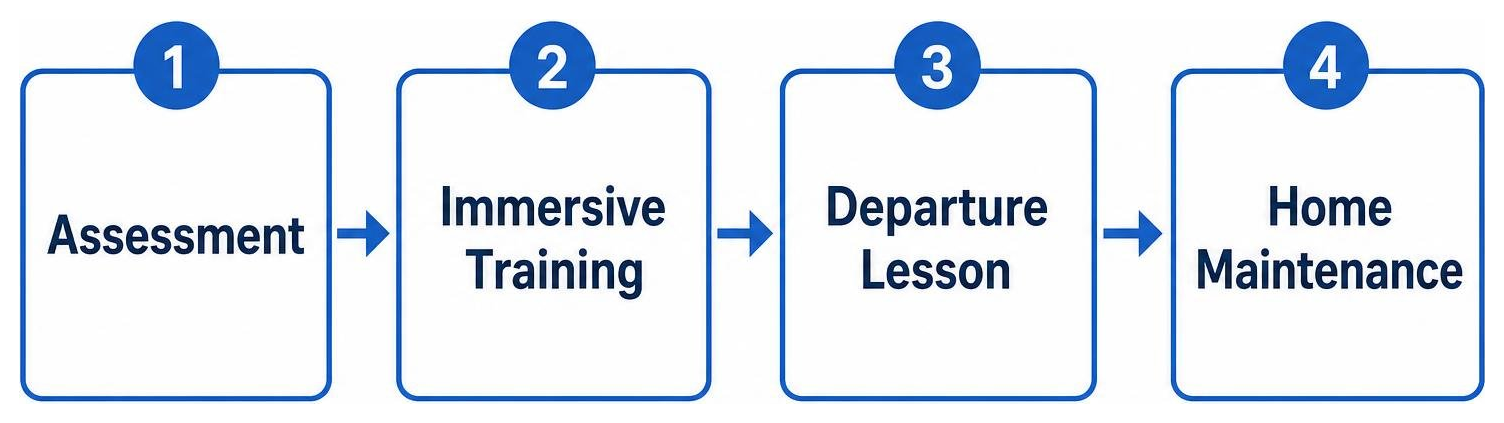
How do you keep training going after camp?
The real secret to long-term success happens the day your dog comes home. A high-quality program should never simply hand you a leash and wave goodbye.
Your trainer should walk you through a comprehensive departure lesson, demonstrating all learned cues and coaching you directly until you feel completely confident. You should also receive a written training report, video demonstrations of your dog performing skills, and access to follow-up private lessons.
To maintain that crisp obedience at home:
- Keep house rules consistent between all family members
- Practice short 5-minute training bursts before meals
- Maintain clear boundaries at doorways and during greetings
- Practice skills slowly by introducing new distractions one step at a time
For an in-depth breakdown of program expectations and investment, explore our 2026 board and train cost guide.
Bringing It All Together
Sending your companion to an overnight camp can give your dog a wonderful, structured foundation and relieve the stress of daily behavior battles. By picking a trainer who prioritizes clear communication, home-style lodging, and thorough owner education, you set your entire household up for a lifetime of harmony.
If you live in Greeley, Denver, Broomfield, Erie, Louisville, Lafayette, Superior, Niwot, Cherry Hills Village, Greenwood Village, Highlands Ranch, Cherry Creek, Washington Park, Castle Rock, or Castle Pines, we are here to help. Reach out to our team to discover how our real-world board and train programs can bring out the absolute best in your dog.