Board and Train for Reactive Dogs: What a Training Stay Looks Like
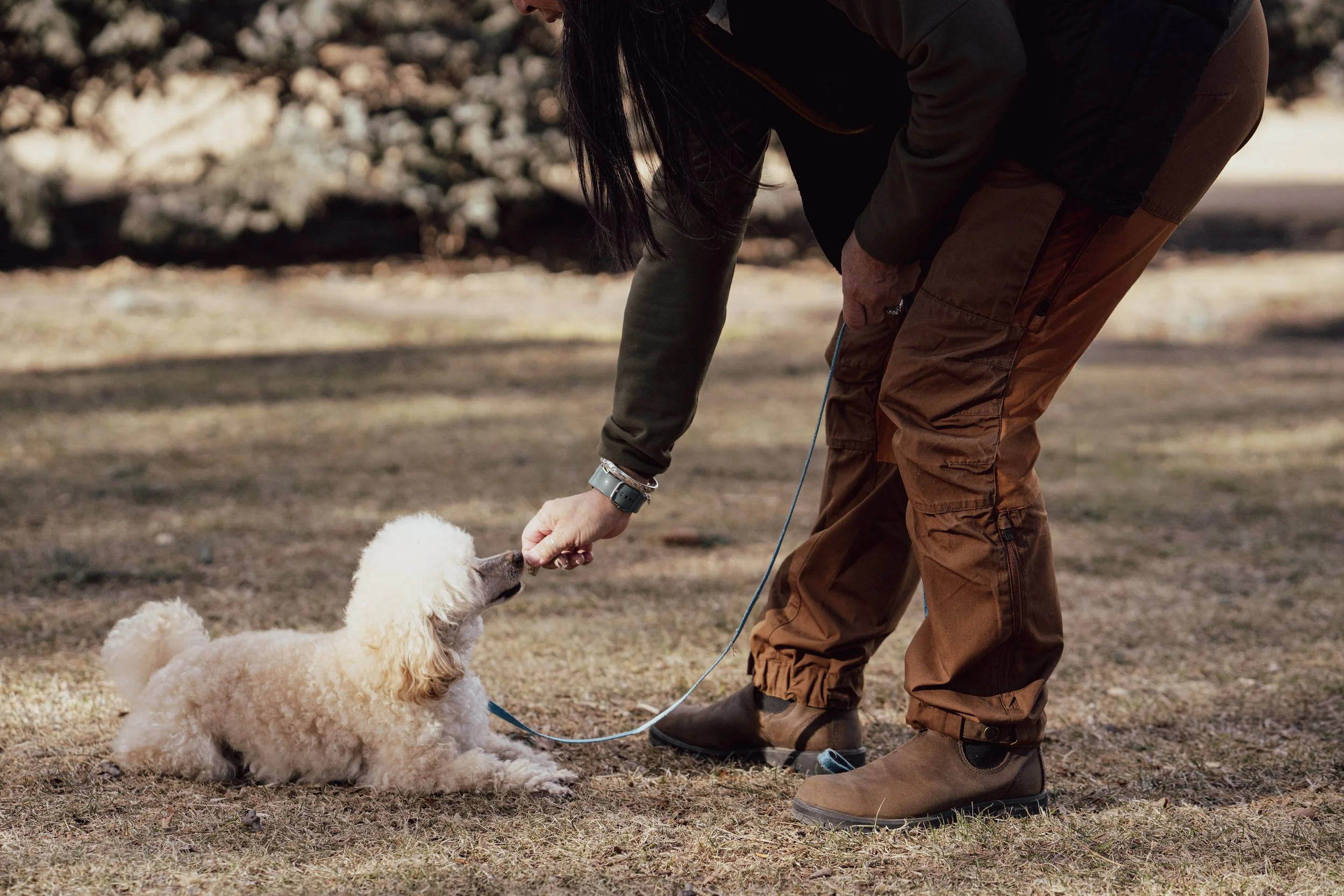
When you send your dog for a training stay, the goal is to give them a fresh start. At home, your dog may have spent months or even years practicing the same reactions. Every time the Amazon delivery truck pulls up or a neighbor walks their Lab across the street, your dog gets another chance to practice barking or lunging. When stressful moments pile up without enough time to settle down, your dog can spend much of the day on edge.
During a training stay, we work to break that cycle with a consistent routine throughout the day. The trainer keeps the surroundings calm and manageable to help your dog avoid getting overwhelmed. Instead of practicing chaos, your dog gets chances to practice calm focus. We use an Attention First philosophy, which means teaching your dog that looking to the handler for guidance is more rewarding than getting stuck watching everything going on around them.
By using clear communication tools, like a remote training collar acting as a gentle tap on the shoulder rather than a punishment, we give the dog a clear line of communication. When you explore our structured dog training services, the real magic comes from pairing this clear communication with real-world practice, like structured daily pack walks.

When to Choose Board and Train Reactive Dogs Programs
Not every dog needs to pack their bags for a multi-week stay. However, an immersive program is often the safest and fastest route for dogs dealing with severe challenges:
- Documented bite history: Keeping everyone safe comes first. A professional setup helps reduce mistakes while teaching your dog to control how hard they use their mouth.
- Intense leash lunging and barking: When you physically struggle to hold your dog back on a walk, a training stay can give your dog a head start on calmer leash walking.
- Snapping out of fear: Dogs that snap because they feel cornered can benefit from a calm, predictable daily routine.
- Big reactions that happen fast: If your dog goes from zero to a hundred in a split second, an experienced trainer can watch for small body language changes before a bigger reaction.
Weekly Lessons vs. Immersive Boarding
Weekly private lessons are fantastic, but they put the entire burden of daily repetition on you. If you work a full-time job or have a busy family life, finding two hours a day to set up controlled training scenarios can feel impossible.
During a training stay, your dog gets lots of chances to practice. A professional works with your dog during meals, walks, doorway routines, and structured rest times. Working consistently with the same trainer helps your dog learn, with repeated chances to get things right throughout the day rather than relying only on trial and error at home.
The Hidden Pitfalls: Why Many Programs Fail After the Dog Returns Home
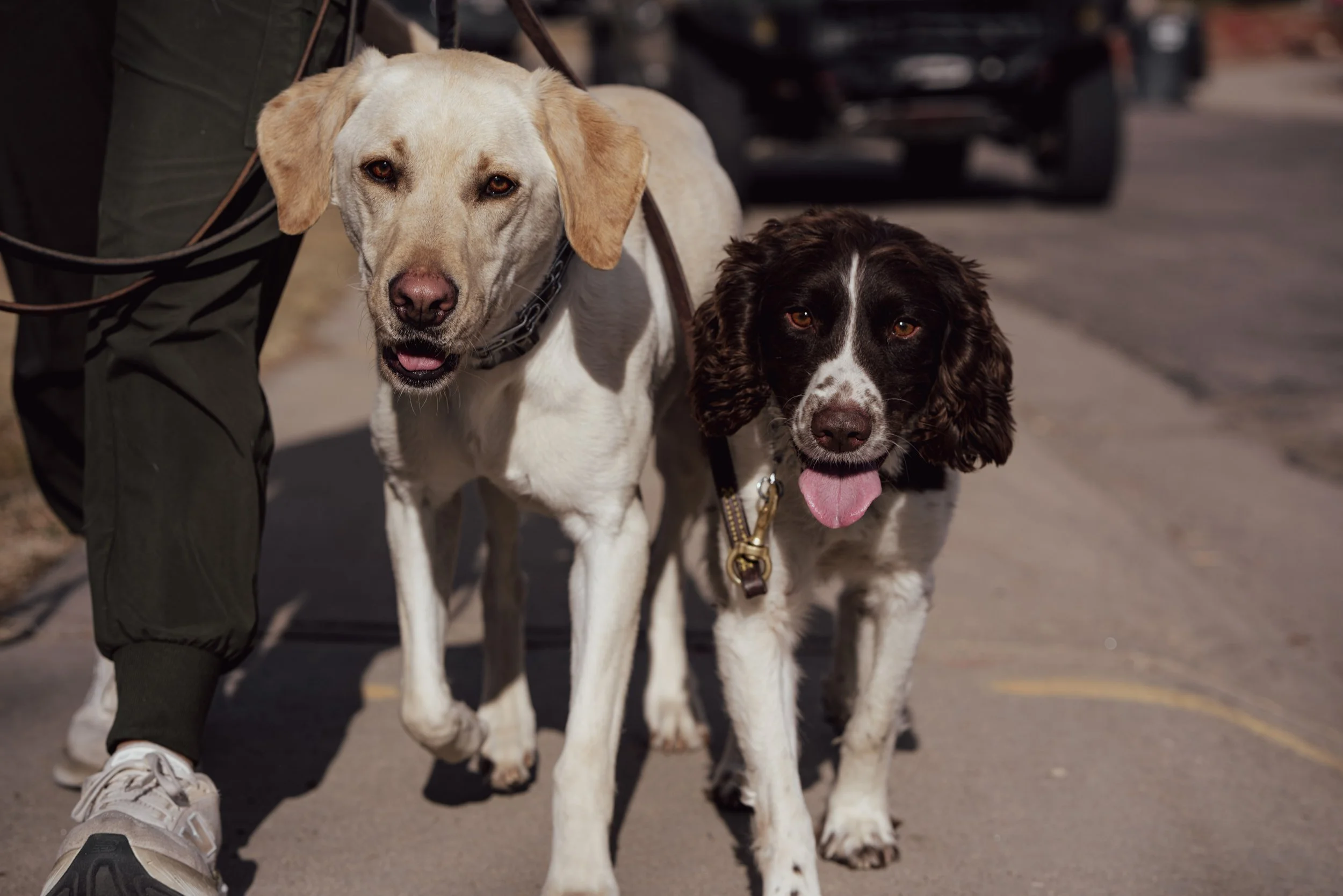
The biggest hurdle is helping those new habits stick once your dog comes home. Dogs often connect what they learn with the place where they practice. A German Shepherd might quickly figure out, "When I am at this trainer's house, I walk politely and ignore squirrels." But back through your front door, those old patterns can creep in again.
If a boarding program does not thoroughly train the humans at the other end of the leash, the dog will test boundaries within forty-eight hours. You can read plenty of community recommendations and owner experiences confirming that the best trainer in the world cannot fix a dog if the owner goes right back to letting bad habits slide at the front door.
Helping You and Your Dog Head Home Ready
A proper go-home session is not a quick five-minute chat in a parking lot. It should be an extensive, hands-on coaching session where you take the leash while the trainer watches and guides you.
Before you head home, get comfortable with these everyday skills:
- Comfortable leash handling: How to hold the leash without accidentally keeping it tight and putting pressure on your dog's neck.
- Reading early body language: Watching for small changes, such as an ear flick or lip lick, that may happen before your dog starts barking.
- Calm comings and goings: Helping your dog stay calm when exiting crates, opening car doors, or walking out the front entrance.
- Handling unexpected surprises: What to do when an off-leash neighborhood dog suddenly rounds the corner.
Look Beyond Quick Fixes
Be wary of any facility promising to cure severe reactivity in a week. Helping your dog feel calmer takes time because you are helping them get more comfortable with the world alongside helping them practice calm behavior.
A quick change in what your dog does is only part of the picture. A thoughtful training plan also works on helping your dog feel more comfortable around the things that set them off. Training tools should help your dog understand what you are asking. Pair them with rewards for the behavior you want, so your dog gets plenty of practice staying calm and checking in with you.
Comparing Private Lessons vs. Board and Train for Reactive Behavior
Deciding between keeping your dog at home for weekly lessons or sending them to an immersive program depends on your budget, your schedule, and your dog's reactivity level.
| Feature | Private Lessons | Board and Train Immersion |
|---|---|---|
| Primary Trainer | You (guided by a professional) | Professional trainer first, then you |
| Time Investment | 1 to 2 hours of daily home practice | Handled by trainer during the stay |
| Managing things that set your dog off | Harder to control in your neighborhood | Highly controlled in professional setting |
| Skill Retention | Slow and steady progress | A faster start on everyday skills |
| Best For | Mild to moderate leash frustration | Severe reactivity, bite histories, busy owners |
| Owner Commitment | High from day one | Extremely high during and after handoff |
If you are unsure which direction makes sense for your household, you can always contact an experienced specialist to evaluate your dog's triggers in person.
Cost Breakdown for Board and Train Reactive Dogs in 2026
A good training stay takes a skilled trainer, around-the-clock care, and careful planning to keep everyone safe. Here are the general price ranges for reactive dog boarding in 2026:
- Three-Week Foundation Program ($2,600 to $3,200): Best for dogs with mild barking or lunging on leash, dogs that get worked up behind fences or gates, or dogs learning everyday cues around small distractions.
- Four-Week Average Behavior Program ($3,900): A common choice for dogs with moderate reactions, barking driven by fear, or trouble settling down. It gives them time to get used to things that set them off at a manageable pace and practice pausing instead of reacting right away.
- Six-Week Severe Aggression Intensive ($5,400+): For dogs that have bitten, strongly guard food or belongings, or have been through frightening experiences. The extra time allows for slow, careful work pairing things that worry them with good experiences.
The global pet training industry is projected to reach nearly $89 billion over the coming decade. For owners, though, the goal is much closer to home: calmer walks and less worry.
Lifetime Help When Old Habits Creep Back
The real value of an elite program is what happens months after your dog graduates. Dogs are living creatures, not machines, and periodic tune-ups are completely normal.
Reputable trainers offer lifetime support, which might include refresher lessons, pack walk drop-ins, and direct phone coaching. Having a community to lean on keeps you accountable, ensuring that the calm, well-mannered dog who stepped out of the training van stays that way for life.
Frequently Asked Questions About Reactive Dog Boarding
Is board and train effective for dogs with a confirmed bite history?
It can help when the trainer has experience working with dogs that may bite. During a training stay, the trainer can use safety measures such as basket muzzles and securely enclosed spaces to help protect your family and neighbors. They can work through things that set your dog off, one step at a time, and help your dog practice staying calm and checking in with them instead of snapping.
How long does a board-and-train stay usually last?
Most stays focused on changing behavior last three to six weeks. Building a calmer response takes hundreds of chances to practice. The first week gives your dog time to settle in and get comfortable with the trainer. Weeks two and three focus on following cues even when distractions pop up. The remaining weeks are for practicing those skills in trickier everyday situations.
What if my dog slips back into old habits at home?
Old habits can creep back when house rules become too relaxed too quickly. If you notice your dog starting to pull on leash or stare down triggers again, reach out to your trainer right away. Getting back to steady daily routines, practicing calm waits at doorways, and scheduling a refresher lesson can help you and your dog get back on track.
Reclaim Your Daily Walks
Living with a reactive dog can make your world feel very small. You end up walking at midnight just to avoid other people, or dodging behind parked cars whenever another dog appears on the horizon.
It does not have to stay that way. A training stay in a home with a steady daily routine, paired with hands-on coaching for you, can help you work toward calmer outings together. If you are ready for that next step, explore how we transform your dog with real-world training with lasting peace of mind as the goal.