What You Should Expect to Pay for Professional Board and Train
Average Board and Train Prices in 2026
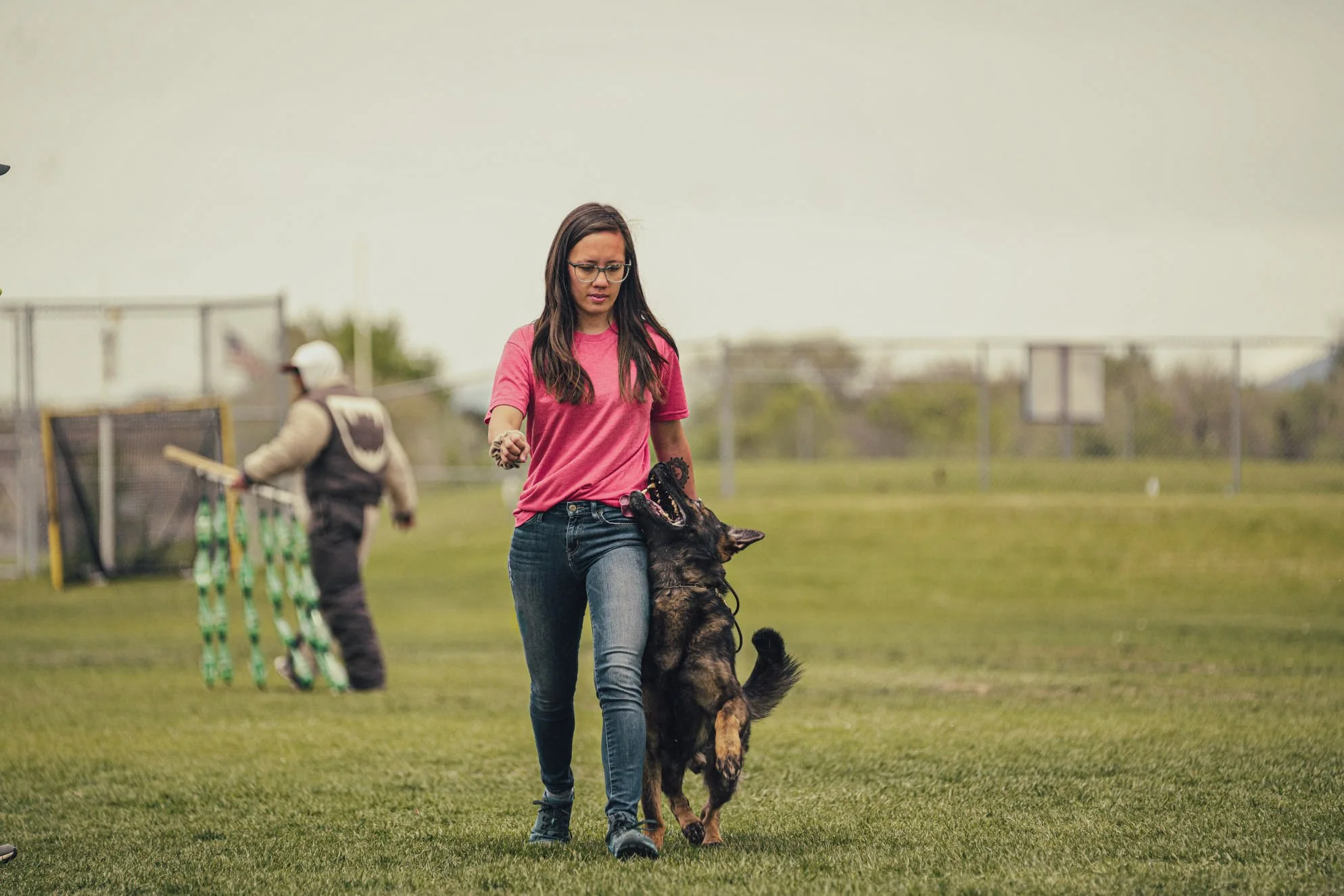
When you start shopping around for dog training, the range of quotes can make your head spin. Across the board in 2026, the average weekly cost for immersive training sits between $1,000 and $2,500 per week. That means for a solid two-to-four-week program that actually gets results, your baseline budget will usually fall somewhere between $2,500 and $6,000.
Why such a wide spread? A lot of it comes down to the trainer's skill level, the setting where your dog stays, and the depth of the training plan. Working with a credentialed trainer who uses humane, proven methods costs more than hiring an uncertified hobbyist, but you get lasting safety and real reliability in return.
Here is how typical programs break down across the industry:
| Program Duration & Focus | Focus Area | Typical Cost Range | What Is Included |
|---|---|---|---|
| Standard Obedience (2 to 3 Weeks) | Leash manners, sit, down, stay, reliable recall, door manners | $2,500 to $5,000 | Daily training, round-the-clock boarding, owner handoff lesson |
| Behavior Modification (3 to 4 Weeks) | Leash reactivity, fear, resource guarding, impulse control | $4,000 to $8,000 | Customized desensitization, intensive management, multiple transfer sessions |
| Premium Immersion (3 to 6 Weeks) | Advanced off-leash obedience, public access, major metro proofing | $6,000 to $12,000+ | Extended stays, high-distraction field trips, lifetime follow-up support |
Regional benchmarks play a huge role too. If you are comparing programs across Front Range communities like Denver, Louisville, Broomfield, Lafayette, Cherry Creek, or Greeley, rates reflect local living costs and facility standards.
Standard Obedience Programs (2 to 3 Weeks)
A standard two-to-three-week stay is the sweet spot for dogs that need basic manners and everyday polish. In the $2,500 to $5,000 price range, this track focuses on building practical skills you use every single day.
Your pup learns how to walk on a loose leash without yanking your arm off, wait politely at open doors instead of bolting outside, hold a steady sit or down stay when company walks in, and come when called. Trainers break these skills down into short, fun daily sessions and proof them around real-world distractions so the behaviors hold up outside a quiet room.
Behavior Modification and Reactivity Programs (3 to 4 Weeks)
When you are dealing with bigger challenges like leash reactivity, fear-based behaviors, or mild resource guarding, training takes extra time and care. These programs run three to four weeks and cost between $4,000 and $8,000.
Changing an emotional response cannot be rushed in a few quick sessions. It requires careful desensitization, counter-conditioning, and tons of patience. A skilled trainer creates custom setups to help your dog learn alternative behaviors when they see triggers like passing dogs, bikes, or strangers. The higher price reflects the advanced handling skills and close supervision needed to keep everyone safe while making genuine progress.
Premium and Major Metro Immersion Programs (3 to 6 Weeks)
In high cost-of-living neighborhoods like Cherry Hills Village, Greenwood Village, or Washington Park, extended immersion programs often range from $6,000 to $12,000 or more for three to six weeks.
These comprehensive tracks take training to the next level. They focus on total off-leash reliability, advanced distraction proofing at busy parks and outdoor patios, and deep behavioral rehab. Dogs get intensive field trips, individual attention, and lots of one-on-one coaching to build rock-solid habits in high-distraction environments.
Why Costs Vary: Key Pricing Factors and Hidden Fees
No two dog training businesses run the exact same way, which is why quotes vary so wildly. Overhead, location, and the trainer's background all shape the final bill. Understanding these moving pieces helps you spot transparent pricing models and avoid nasty billing surprises down the road.
Real-World Factors Influencing Board and Train Prices
Several big factors influence the bottom-line price of an immersion program:
- Trainer Certifications and Experience: Trainers holding independent credentials from organizations like the Certification Council for Professional Dog Trainers (CCPDT) or the International Association of Animal Behavior Consultants (IAABC) invest heavily in ongoing education. That level of knowledge directly benefits your dog's safety and well-being.
- Behavioral Complexity: Teaching a happy-go-lucky dog to walk nicely on leash takes far less labor and risk management than helping an insecure dog overcome severe leash lunging or barrier frustration.
- Home Setting vs. Commercial Kennel: A commercial facility with dozens of barking dogs has different overhead than an intimate, in-home immersion program. In-home programs limit the number of dogs they accept at once so your pup gets personalized attention in a comfortable, everyday living space.
- Regional Labor and Living Expenses: Operating in areas like Superior, Niwot, Erie, Highlands Ranch, Castle Rock, or Castle Pines comes with higher business insurance, staffing, and facility expenses than rural markets.
Inclusions, Follow-Ups, and Unexpected Add-On Costs
When reviewing quotes, always ask what is covered in the base rate. A seemingly cheap program might end up costing more once all the extras are tacked on.
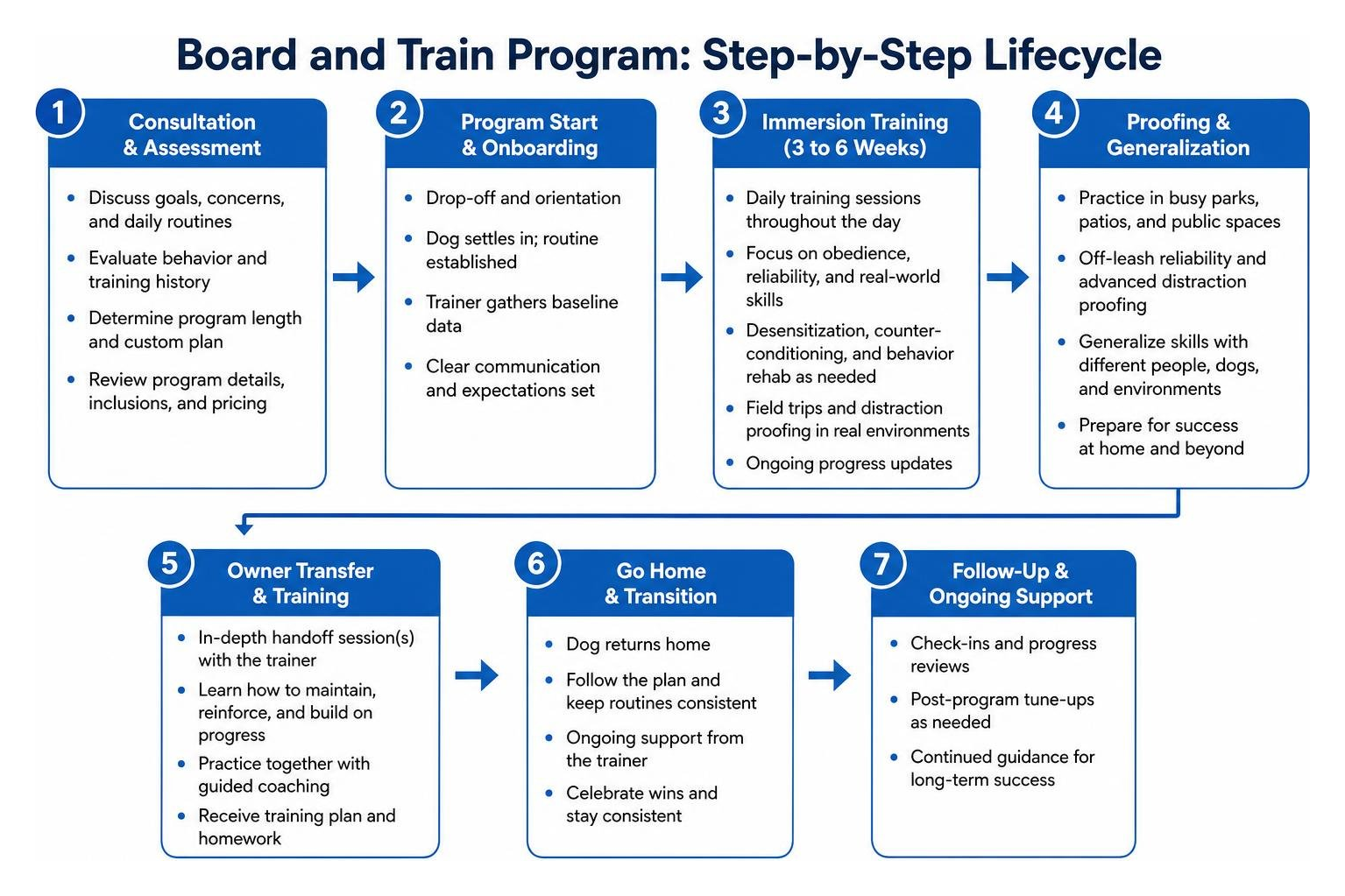
A comprehensive package should bundle overnight lodging, daily meals and care routines, multiple training sessions throughout the day, and dedicated owner transfer sessions at pick-up. Some businesses charge extra for training gear like treat pouches, long lines, or harnesses. Others bill separately for post-graduation tune-up lessons or additional follow-up visits.
Before committing, make sure the quote spells out every detail. Our team believes in keeping things simple, clear, and focused on real-world success through our hands-on board and train services.
Comparing Board and Train to Other Training Options

Board-and-train is the most intensive training format available, but it is not the only way to build great habits. Balancing your schedule, budget, and learning style will help you figure out the smartest path forward.
Here is a quick look at how the main training options stack up:
- Board and Train: $1,000 to $2,500 per week. You hand over the heavy lifting of building initial habits to a pro. Requires minimal daily owner time during the stay, but you must commit to maintaining the routines at home.
- Private In-Home Lessons: $75 to $200 per session. The trainer teaches you how to train your dog in your own living room. You save money upfront, but you need to carve out 30 to 60 minutes of daily practice on your own.
- Structured Dog Walking: A great option where a professional reinforces leash manners and focus during daily walks, giving you steady progress and exercise without overnight boarding.
Evaluating Board and Train Prices Against Owner-Led Training and Structured Dog Walking
When you run the numbers, board-and-train offers high cost-per-hour efficiency because your dog practices good manners all day long. Instead of waiting a week between private lessons to see if your technique is working, a pro handles hundreds of repetitions in real time.
For busy pet parents juggling work and family life in towns like Lafayette, Broomfield, or Castle Pines, having an expert lay that strong foundation saves weeks of frustration. Combining structured dog walking with private lessons is another fantastic way to build consistency if you prefer keeping your pup home every night.
Finding the Right Fit for Your Dog and Budget
Choosing the right option comes down to your dog's needs and your available free time. If your dog has moderate leash reactivity, jumps on every guest who steps through the door, or bolts whenever the yard gate opens, board-and-train creates an immediate, structured reset.
The key is handler skill transfer. No matter how brilliantly a dog performs for a trainer, you have to learn how to communicate those same expectations at home. If you are unsure which training path matches your goals, you can always contact a professional trainer to talk through your pup's routine and budget.
How to Vet a Board-and-Train Program and Avoid Red Flags
Because the dog training industry is largely unregulated, doing your homework before handing over the leash is essential. Protecting your dog means asking great questions and looking for full transparency.
Essential Contract Terms and Transparency Checks
A reputable trainer will always provide a clear, written agreement before taking your dog into their care. Make sure your contract includes:
- A Detailed Intake Assessment: Documenting your dog's history, medical needs, dietary quirks, and specific training goals.
- Daily Schedule and Housing Details: Clarifying where your dog sleeps, how much exercise and rest they get, and staff-to-dog ratios.
- Regular Progress Updates: Setting expectations for photo, video, and text updates so you can see your pup's progress firsthand.
- Health and Safety Policies: Outlining required vaccinations (Rabies, DHPP, Bordetella), emergency vet protocols, and liability coverage.
- Clear Refund and Cancellation Policies: Plain terms explaining what happens if your dog gets sick or if either party needs to cancel.
Warning Signs and Unrealistic Guarantees
Watch out for programs that promise a "100% cured dog" or offer "lifetime guarantees." Dogs are living, thinking animals with feelings, not programmable robots. Honest trainers promise skilled support, clear communication, and dedicated coaching, not magical overnight fixes.
Be cautious of trainers who refuse to let you see where your dog will stay, those who rely heavily on harsh corrections and fear to force compliance, or programs that skip owner transfer lessons completely. If a facility will not show you their setup or explain how they teach new behaviors, look elsewhere.
Frequently Asked Questions About Board and Train
How long does a quality board-and-train program take?
Most foundational obedience programs run two to four weeks. That gives the trainer enough time to build new habits, practice them in different environments, and reinforce good choices. If you are working on deeper behavioral concerns like fear or reactivity, plan on three to six weeks for meaningful, lasting progress.
Will my dog still listen to me after returning home?
Yes, as long as you show up for your transfer lessons and stick to the routine. Dogs are situational learners. They will test boundaries with you to see if the rules at home match the rules with the trainer. Reputable programs include hands-on coaching sessions to teach you how to give clear cues, deliver rewards, and hold the standard smoothly.
Are follow-up sessions usually included in the price?
In quality programs, yes. At least one detailed transfer session on pick-up day should always be part of the package. Many trainers also bundle one or two follow-up refresher lessons at your home to make sure the transition goes without a hitch. Always double-check your contract so you know exactly what post-graduation support is included.
Practical Steps for Choosing the Right Immersion Program
Investing in your dog's manners through an immersion program pays dividends for years to come. When you balance your budget with high-quality, compassionate care, you set your dog up for a lifetime of calm, confident companionship.
In-home board-and-train settings offer a wonderful advantage because dogs learn inside a real living environment with doorbells, couch rules, and kitchen distractions, rather than in a noisy kennel run. Combine that with structured daily routines and dedicated owner education, and you get results that easily transfer back to your living room.
If you are ready to enjoy peaceful walks and a polite pup, connect with Good Dog Greeley for personalized in-home training and immersion programs designed around your family.