Dog Board and Train Pricing: Is the Big Investment Worth It?
What Board and Train Prices Near Me Should You Expect?
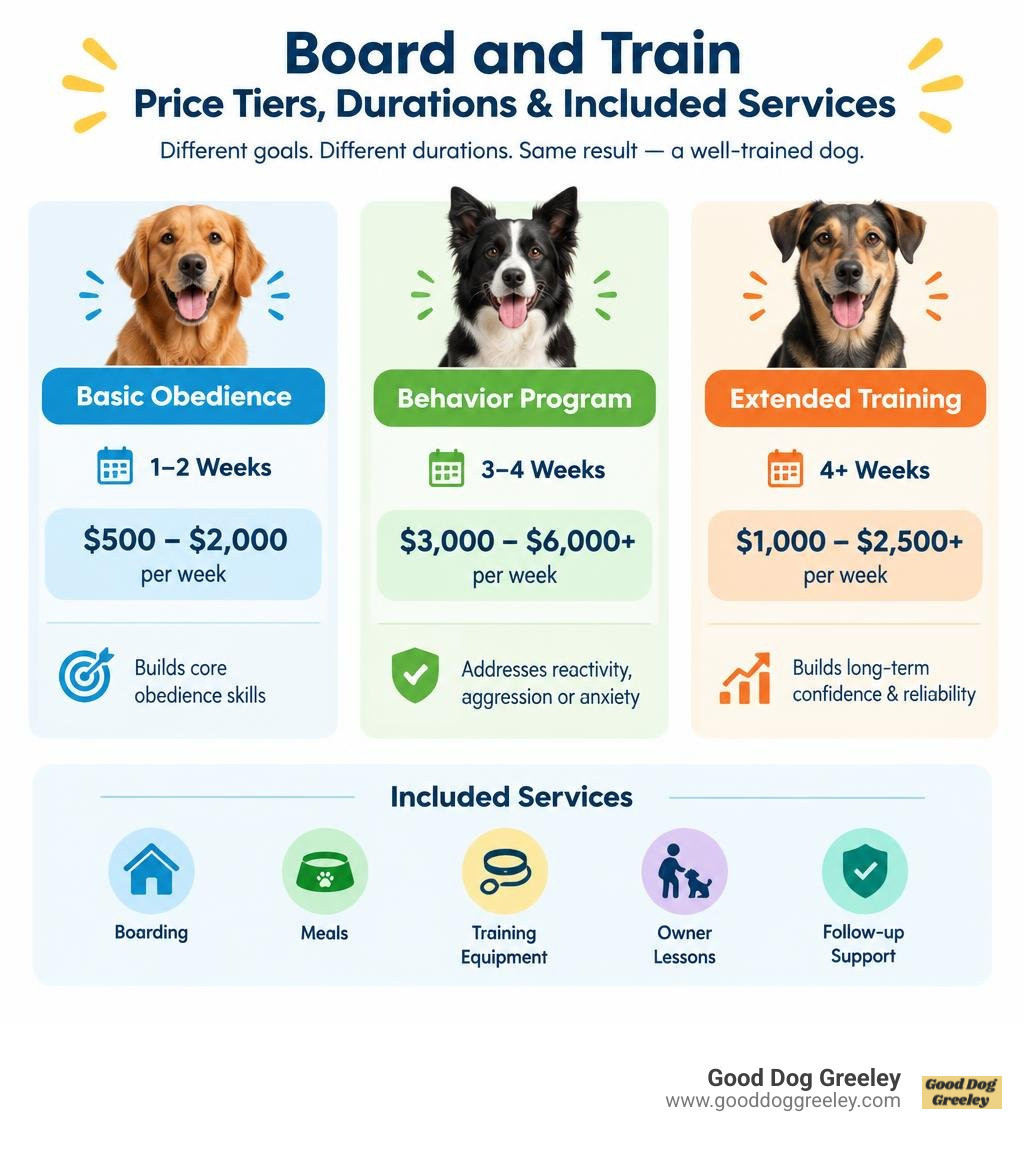
Most dog owners can expect board and train prices near me to land around $500 to $2,500 per week. A three- to four-week behavior program for serious reactivity, aggression, or anxiety may run $3,000 to $6,000 or more.
The best way to compare options is to ask each provider for one clear, all-in quote. Confirm the program length, daily training, boarding, meals, equipment, owner lessons, and follow-up support before you compare the sticker price.
Board and train can be a big investment, especially for busy Greeley and North Denver families. But the right program gives your dog structured practice every day, then teaches you how to keep those skills going at home. Price matters, but so do trainer experience, training methods, safety standards, and the support you receive after pickup.
Average Dog Board and Train Costs: Rates by Duration and Program Type
When you start browsing around northern Colorado or the Denver metro area, the price ranges can feel all over the map. You might find an independent trainer offering a single week for $600, or a specialized behavior center charging closer to $2,500 per week.
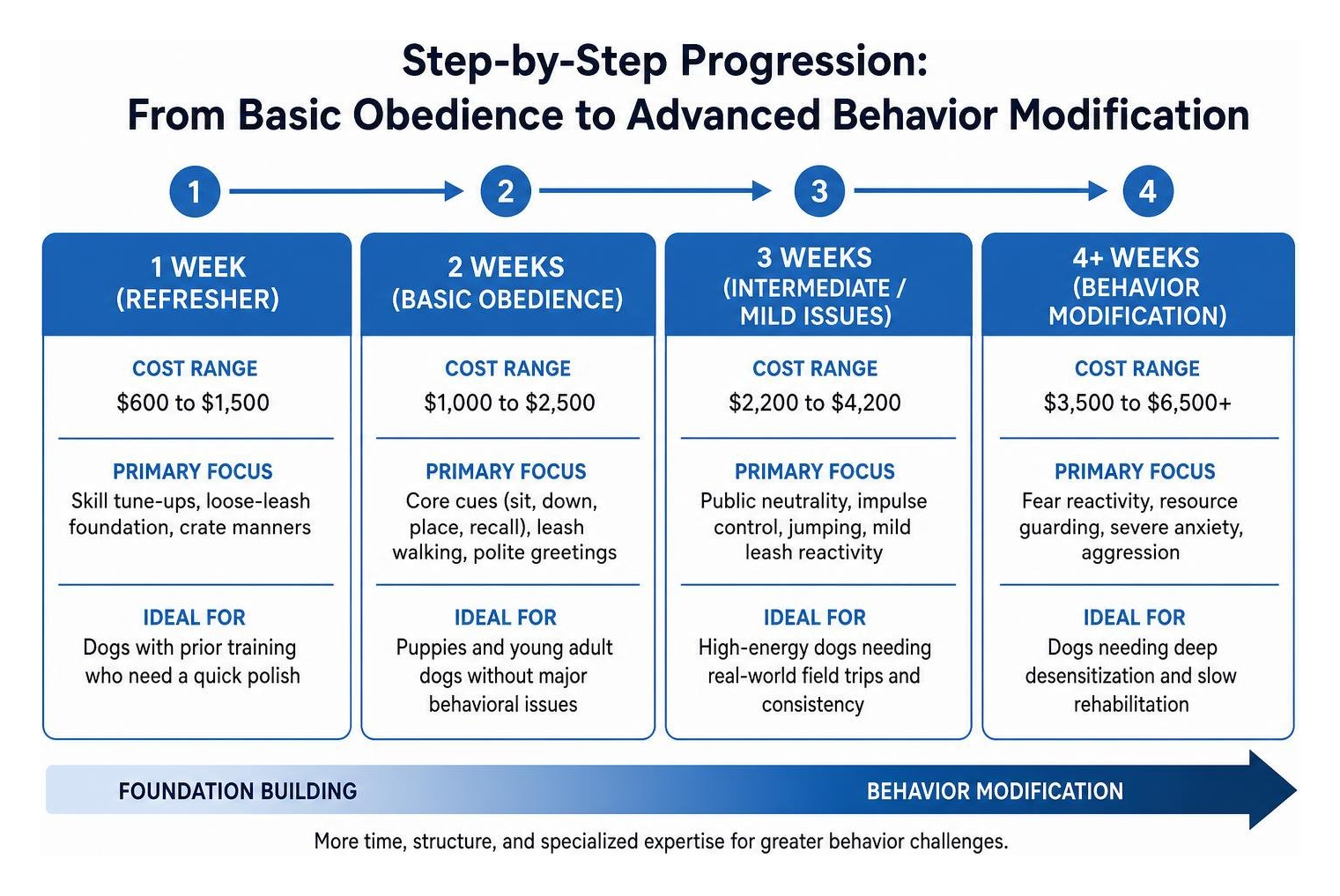
To help make sense of the market, let us look at how program lengths, weekly rates, and training goals usually match up:
| Program Duration | Typical Cost Range | Primary Focus | Ideal For |
|---|---|---|---|
| 1 Week (Refresher) | $600 to $1,500 | Skill tune-ups, loose-leash foundation, crate manners | Dogs with prior training who need a quick polish |
| Obedience (Duration Varies) | Ask the provider for a quote | Core cues (sit, down, place, recall), leash walking, polite greetings | Puppies and young adult dogs without major behavioral issues |
| 3 Weeks (Intermediate / Mild Issues) | $2,200 to $4,200 | Staying calm around people and dogs, waiting patiently, keeping paws on the ground, reducing mild barking or lunging on leash | High-energy dogs needing real-world field trips and consistency |
| 4+ Weeks (Behavior Modification) | $3,500 to $6,500+ | Fear-driven barking or lunging, guarding food or belongings, severe anxiety, aggression | Dogs needing gradual help getting comfortable with things that frighten or upset them |
A solid routine does not stop at cue training. For instance, pairing intensive work with dog walking Greeley pet parents rely on ensures your dog learns how to navigate neighborhood distractions calmly.
Why Everyday Manners and Bigger Behavior Challenges Cost Different Amounts
Why is there such a massive gap between puppy manners and behavior rehab? It all comes down to time, safety, and the level of expertise required.
Basic obedience is about helping your dog build positive associations and learn everyday cues like heel, sit, stay, down, and place. If your dog mainly needs help with manners rather than more involved behavior concerns, those everyday skills can be the focus of training.
Helping dogs who act aggressively toward people, bark or lunge at other dogs, or strongly guard food and belongings is a completely different ballgame. Trainers need to introduce challenging situations gradually, at a pace the dog can handle. A trainer might spend the first four days simply helping a fearful dog feel safe enough to eat a treat in a new room. Rushing those introductions can make the behavior worse. These cases bring greater responsibility for safety and call for specialized safety gear and careful management of the dog's surroundings throughout the stay, which can raise the weekly price.
Local Facilities vs. National Franchise Training Rates
Another big cost factor is the setup of the training facility itself.
- Commercial Kennels and National Franchises: Large franchises often have high overhead costs, including facility rent, commercial utility bills, and large marketing teams. While they offer standardized systems, your dog might spend a good portion of the day in a kennel run between short, scheduled training rotations.
- Home-Style Boutique Programs: Smaller, local operations host dogs directly in a home setting. This creates a realistic learning environment because your dog practices real-world living: not barking when the doorbell rings, resting quietly on a place mat during dinner, and navigating a standard household routine. Because intake numbers are strictly limited, your dog gets far more direct interaction and personalized attention.
Factors That Influence Board and Train Prices Near Me
When you dig into rates across Colorado, several specific variables move the needle up or down.
- Length of Stay: Longer stays cost more overall, though some trainers offer a slightly lower weekly rate for programs lasting three weeks or longer.
- Trainer Qualifications and Ratios: Having fewer dogs per trainer, like two or three, gives your dog more dedicated attention and usually comes with a higher price.
- Practice Around Everyday Distractions: Trips to parks, trails, and dog-friendly patios take more time and add transportation costs compared with keeping dogs on-site all day.
- Boarding Comforts: Climate-controlled home settings, dedicated play yards, and 24/7 supervision add value to your dog's stay.
- Seasonal Demand: Summer vacations and holidays can fill calendars quickly, so booking ahead can give you more options.
If you are planning to travel or need to coordinate logistics alongside boarding, keeping an eye on Amtrak schedules or regional travel plans can help you sync drop-off and pickup days smoothly.
How Location and Trainer Experience Affect Board and Train Prices Near Me
Location can make a difference in the price. Rent, insurance, and staffing costs can vary between places like Cherry Creek, Greenwood Village, Cherry Hills Village, Greeley, and Lafayette. Compare local quotes to see what each program costs and what you get for your money.
Trainer background matters just as much. A beginner trainer who just started taking clients might charge rock-bottom prices, but an experienced professional who understands complex canine body language will charge standard professional rates. Learning more about the professionals handling your pup gives you peace of mind that your dog is in safe, knowledgeable hands.
Inclusions, Hidden Fees, and Equipment Charges
Before you sign any contract, make sure you know what is actually covered in the quote. Some common hidden expenses that catch owners off guard include:
- Training Equipment: Are specialized collars, long lines, or place cots included in the package, or billed separately?
- Evaluation Fees: Many trainers charge an initial consultation fee, often $50 to $150, to get to know your dog before accepting them into a board and train program.
- Food and Medication: Ask whether you need to pack your dog's regular food and whether giving daily medications costs extra.
- Follow-Up Lessons: You need help keeping the training going at home, too. Ask whether lessons at pickup and check-ins afterward are included in the upfront price.
Explore the full range of services offered by a provider to see how they structure their packages.
Is a Board and Train Program Worth the Investment?
Spending a couple of thousand dollars on your dog is a big decision. For many households, it is the difference between daily frustration and a calm, enjoyable family pet.
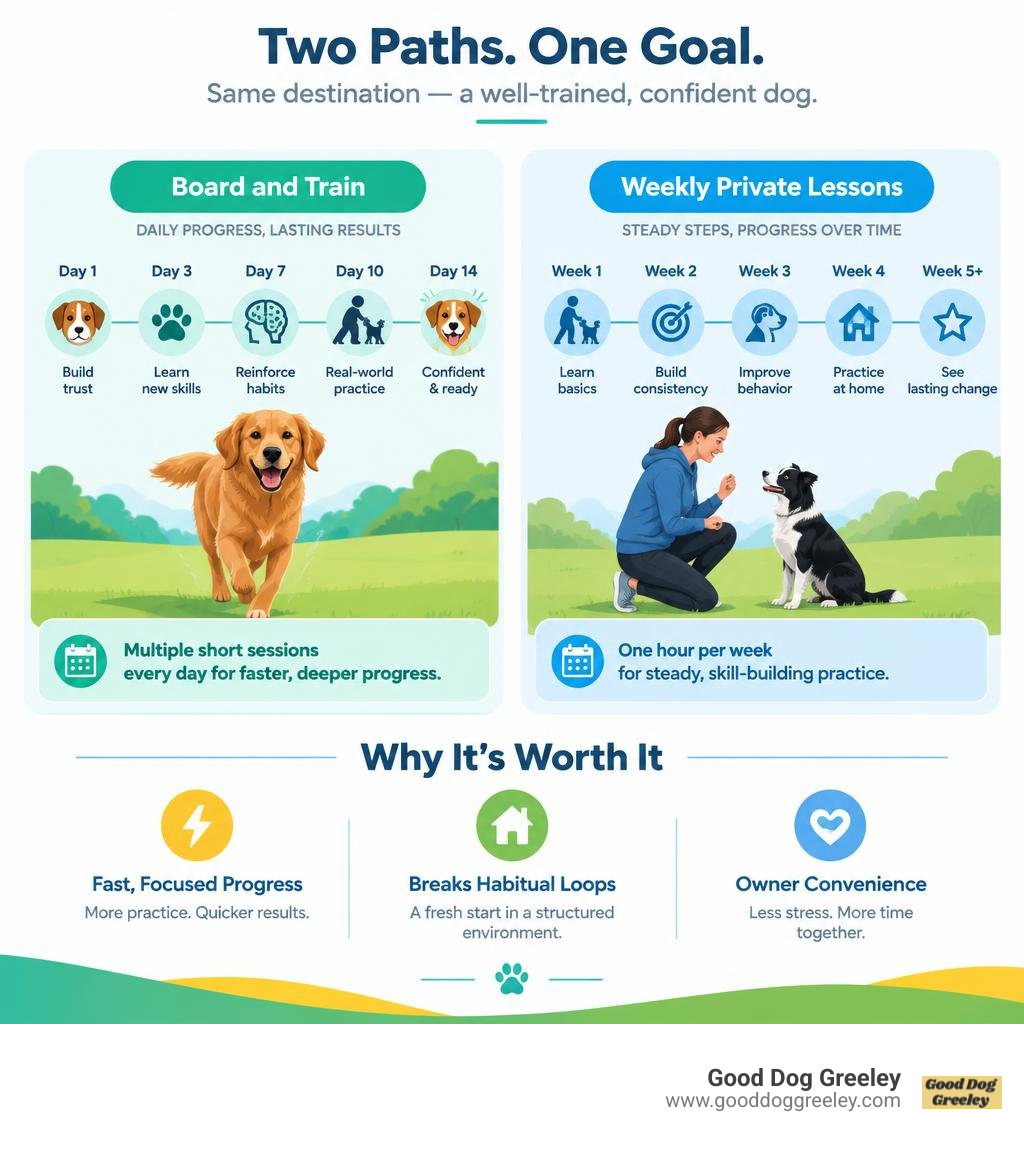
Here is why many dog owners find the investment pays for itself:
- Fast, Focused Progress: A weekly class gives you time to practice with a trainer, while a board and train can give your dog several short practice sessions each day, helping those new skills stick.
- Working on Old Habits: If your dog has spent two years barking at the front window, working on that habit at home can be tough. A different setting gives the trainer a chance to practice new routines with your dog, which you can keep working on at home.
- Owner Convenience: If you work long hours or feel overwhelmed by a high-energy dog, a trainer can help get the practice started and show you how to keep it going.
Data shows that about 60% of dog owners who use board and train programs see major improvements in their dog's behavior within the first month after coming home.
What Progress Looks Like and How to Keep It Going at Home
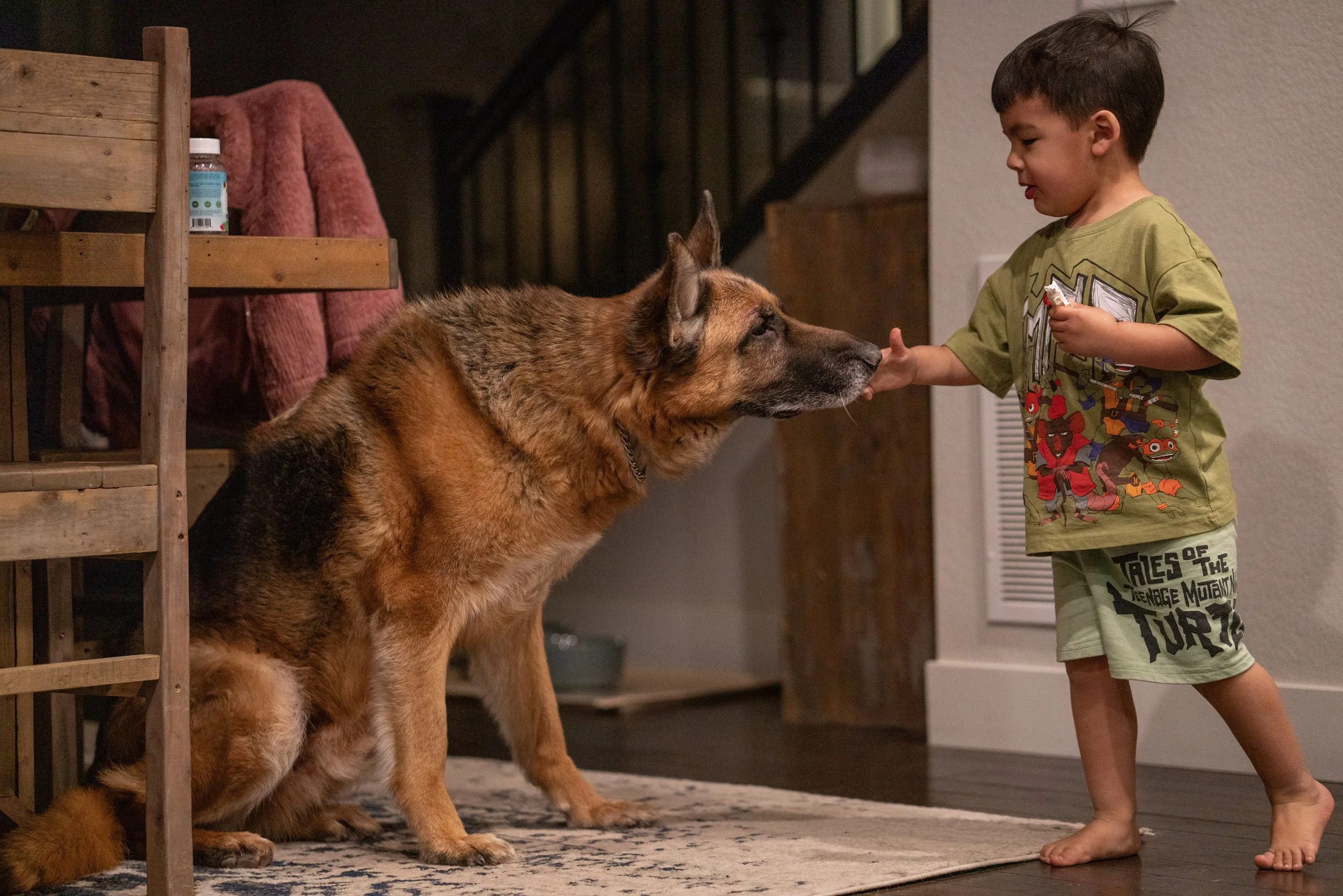
A board and train is not a magic fix. Your dog may need practice with you at home, even after learning the cues with a trainer.
A big part of long-term success is the owner handoff process, when the trainer helps you take over at home. At the end of your dog's stay, your trainer should walk you through the cues, show you how to handle the leash, and coach you while you practice with your dog.
Without that human education piece, dogs can quickly revert to old habits once they realize the rules at home have not changed. Long-term results depend on your willingness to practice the simple daily routines your trainer hands over.
How to Find Fair Board and Train Prices Near Me Without Sacrificing Quality
Finding a balance between quality and budget takes a little bit of homework. Here is a handy checklist of questions to ask any trainer before putting down a deposit:
- Where will my dog sleep and spend down-time? (Is it a bustling commercial kennel or a quiet home environment?)
- How many hours of direct training will my dog get each day?
- What training methods and tools do you use?
- How do you handle fearful or stressed dogs?
- Will I receive regular video or photo updates during the stay?
- How many private follow-up sessions are included after my dog comes home?
- What happens if my dog needs extra help after the program ends?
Transparent trainers will happily walk you through their daily routine, show you their space, and explain their pricing without any high-pressure sales tactics.
Frequently Asked Questions About Dog Board and Train Pricing
Are payment plans or financing available for board and train programs?
Yes, many trainers offer payment plans or financing, so it’s worth asking what’s available. You may need a non-refundable deposit, often 20% to 50%, to reserve your dog’s spot. The rest may be split into bi-weekly payments or due on the first day of training. Some providers also work with financing companies that let you spread payments over several months.
What questions should I ask a trainer before enrolling my dog?
Focus on safety, daily care, and communication. Ask:
- What does a typical day look like for my dog from morning to evening?
- How do you keep me updated on their progress?
- What safety protocols are in place for field trips or off-property outings?
- What is your policy if my dog becomes sick or injured?
Why can board and train cost more in a big city?
Running a pet care business around Denver, Broomfield, or Superior can be pricey. Rent, local licenses, insurance, and experienced, certified staff can cost more in busy urban areas. Those bills can push program prices above what you’d pay in a rural area.
Moving Forward With Confidence
A board and train program can help your dog work toward better manners, but the price tag is only part of the picture. Look at daily care, practice around everyday distractions, and hands-on help for you, too. Those details can help you choose a program that fits your dog and gives your family a plan to keep practicing at home.
If you are ready to see what a difference personalized, home-style training can make, reach out to our team at Good Dog Greeley today to talk about your dog's specific needs and find the right fit for your home.