Proven Dog Training Methods to Prevent and End Destructive Chewing
Identifying Why Dogs Chew: Medical and Behavioral Root Causes

To stop destructive chewing, start with a simple plan: manage the environment so tempting items are out of reach, redirect your dog to a high-value chew toy the moment they show interest in something off-limits, teach impulse control cues like "Leave It," and provide daily physical and mental enrichment. That combination gives your dog a clear, rewarding alternative to gnawing on your belongings.
Dogs use their mouths to interact with the world around them. While humans grab things with their hands, a dog explores every new smell, shape, and texture with their teeth. Understanding that natural drive helps us see that chewing itself is not bad behavior. It is a biological necessity.
Chewing exercises the jaw, cleans teeth, and triggers a calming release of endorphins that helps dogs unwind. When dogs gnaw on acceptable items, it functions like canine meditation. The trouble starts when they direct that gnawing power toward your baseboards, sneakers, or sofa cushions.
Before jumping straight into training drills, we have to look at the underlying cause. Is your pup teething? Is your adult dog bored out of their mind during long workdays? Or are they experiencing genuine distress when left alone?
According to the VCA Animal Hospitals guide on destructive chewing, identifying the underlying motivation is the most crucial first step in building a successful management and training plan. Sudden chewing habits in adult dogs can even signal hidden dental pain or nutritional gaps.
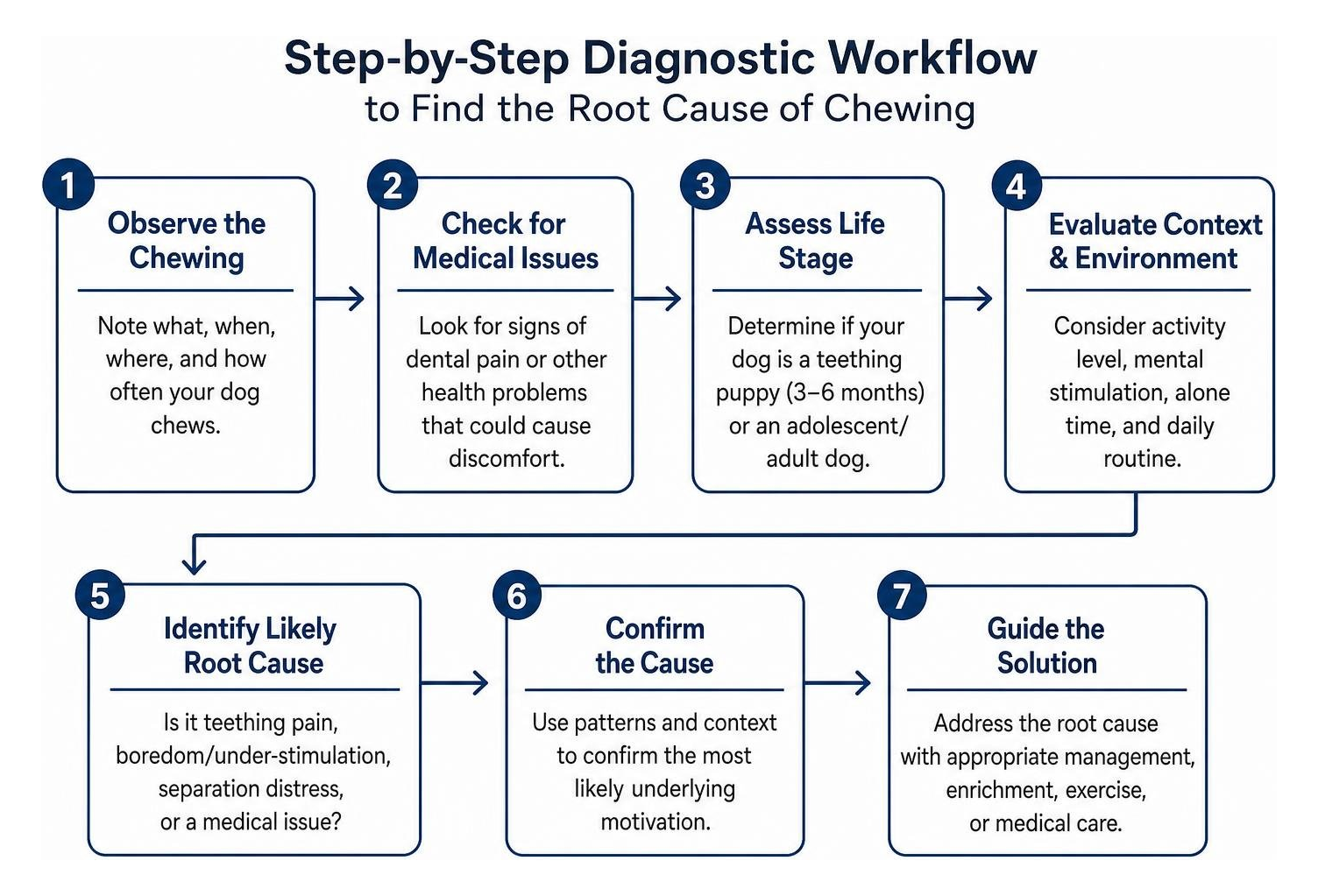
Teething Puppies vs. Bored Adult Dogs
Puppies go through an intense teething phase that typically peaks between 3 and 6 months of age. As their baby deciduous teeth fall out and their adult teeth push through sore gums, gnawing provides immediate physical relief. By six to eight months of age, this teething intensity begins to taper off. However, adolescent and adult dogs still need regular outlets to chew.
Adult dogs usually chew destructively because of pent-up physical energy or mental under-stimulation. When an intelligent, energetic dog has nothing to do, they create their own jobs. Chewing up a chair leg or dissecting a couch cushion provides hours of sensory entertainment. Giving them consistent physical exercise and daily brain games gives them a better way to spend that energy.
Medical Problems, Pain, and Pica
If an adult dog suddenly begins chewing on strange household objects, a quick veterinary checkup is essential. Dental issues, such as a cracked molar, irritated gums, or a foreign object wedged between their teeth, can cause a dog to chew frantically to relieve mouth discomfort.
Dietary deficits or extreme calorie restrictions can also drive hunger-based chewing and scavenging. Dogs on very low-calorie diets may shred cardboard, dig through trash bins, or chew on kitchen rugs searching for edible crumbs.
Another medical consideration is pica, a condition where dogs compulsively eat non-food items like rocks, fabric, and dirt. In some cases, fabric sucking or licking stems from early weaning before seven or eight weeks of age. Ruling out underlying health and dietary concerns ensures we are not trying to train away a physical medical issue.
Immediate Management and Dog-Proofing Strategies
The fastest way to stop destructive chewing in its tracks is strict environmental management. Every time your dog successfully chews up a remote control or a shoe, that behavior is self-reinforcing. It feels good, it relieves stress, and it gives them something fun to do.
Dog-proofing is not admitting defeat. It is simply preventing bad habits while you teach your pup what to chew instead. Start by walking through your home at your dog's eye level. Pick up shoes, hide TV remotes on high shelves, close closet doors, and tuck away loose items.
| Safe Chew Items | Hazardous Items to Avoid |
|---|---|
| Durable natural rubber toys (KONG, West Paw) | Cooked animal bones (splinter easily) |
| Hard nylon chew bones (Nylabone, Benebone) | Traditional rawhide chews (choking hazard) |
| High-grade bully sticks (with safety holder) | Soft plush toys with plastic squeakers (swallow risk) |
| Frozen stuffed puzzle toys and Lick Mats | Wooden sticks from outdoors (splinters and mouth cuts) |
| VOHC-approved dental hygiene chews | Household items (shoes, socks, remotes, towels) |
Taste Deterrents and Physical Barriers
Taste deterrents can offer helpful backup while you are supervising and establishing boundaries. Bitter apple or citrus sprays make target surfaces taste unpleasant, giving your dog a gentle reminder to look elsewhere.
To make a deterrent spray work:
- Apply a small amount to a tissue and let your dog sniff and taste it so they connect the scent with the bad flavor.
- Spray the problem areas, like table legs or baseboard corners, generously.
- Reapply the spray daily for two to four weeks, as the scent and taste naturally fade over time.
Deterrent sprays are management aids, not complete solutions. If your dog is deeply bored or stressed, a bad taste might not be enough to stop them.
Combine sprays with physical barriers. Use baby gates, exercise pens, and closed doors to limit access to rooms with tempting furniture or exposed electrical wires. Keep laundry tucked away in lidded hampers, and store kitchen trash cans behind closed pantry doors.
Safe Chew Toys, Edibles, and Timed-Release Enrichment
To successfully change your dog's chewing habits, you need to provide legal items that are more appealing than your household belongings. The gold standard for busy chewers is the classic rubber KONG or durable hollow puzzle toy.

Turn their chew time into a calming, timed-release meal:
- Mix their regular dry kibble with wet food, plain pumpkin puree, or a small spoonful of unsweetened peanut butter.
- Pack the mixture inside a durable rubber chew toy.
- Freeze the stuffed toy overnight.
A frozen toy extends chewing time from five minutes to nearly an hour of focused, quiet concentration. It acts like occupational therapy, soothing teething gums and tiring out an active brain.
Keep a rotating basket of toys with varied textures, including natural rubber, hard nylon, and digestible chews like bully sticks. Put out only two or three options at a time, switching them out every few days. This keeps novelty high so your dog never gets bored with their options.
Step-by-Step Dog Training for Destructive Chewing
Management keeps your possessions safe, but hands-on training teaches your dog how to make great choices on their own. Our goal is to proactively reward good habits rather than constantly reacting to mistakes.
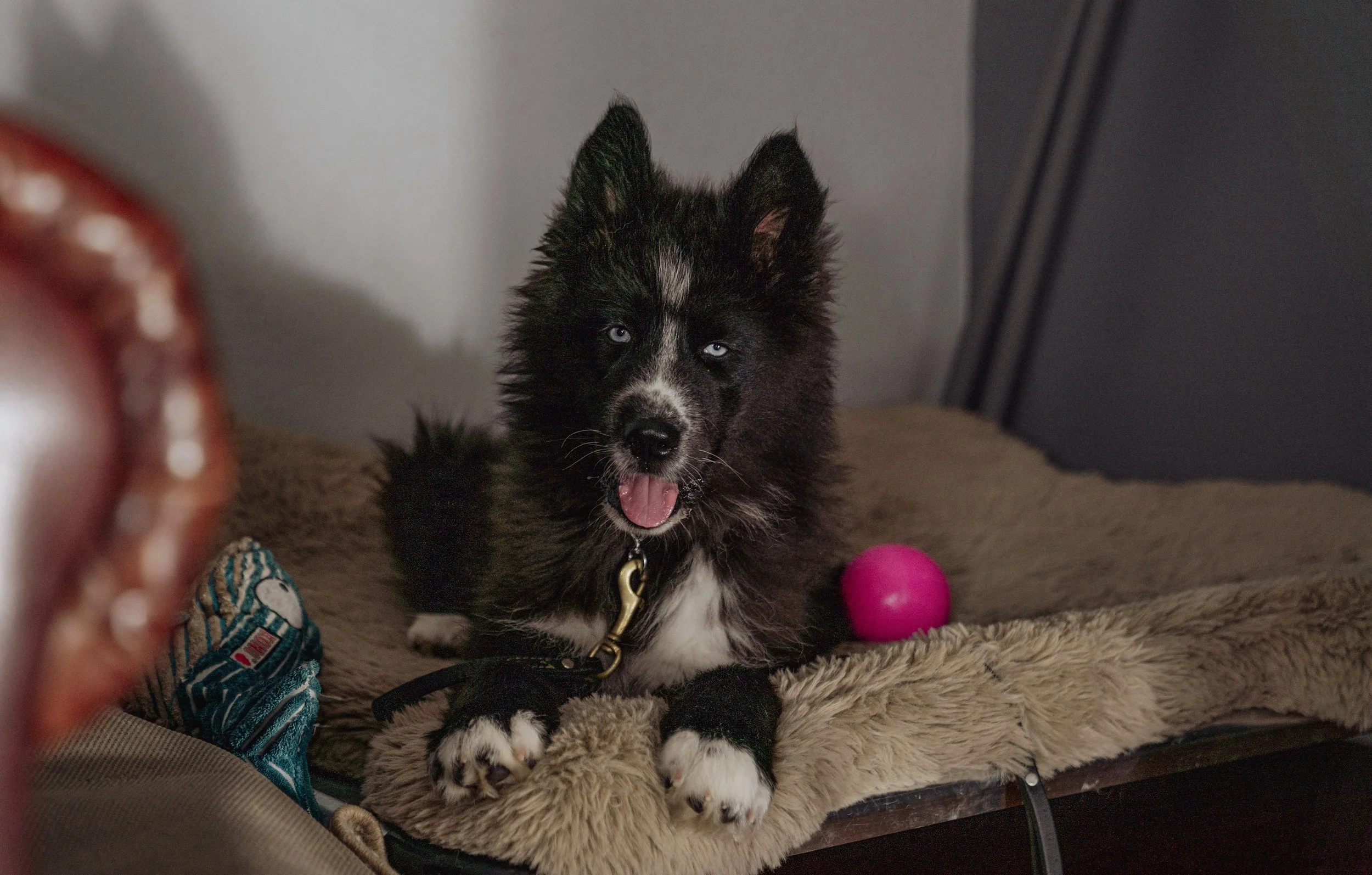
Follow this simple redirection loop whenever your dog shows interest in an off-limits item:
- Supervise and Catch It Early: Watch for the moments your dog starts sniffing around furniture legs, rugs, or shoes.
- Interrupt Calmly: Make a light, happy sound or use a neutral verbal cue like "Ah-ah" or their name to get their attention. Avoid yelling or stomping, which only raises anxiety.
- Offer an Approved Alternative: Immediately present one of their favorite high-value toys or chews.
- Praise and Reward: The instant their mouth touches the approved toy, offer enthusiastic verbal praise or a small tasty treat. You are showing them that chewing their own toys brings great rewards.
For extra help, check out the ASPCA guidance on common dog behavior issues to understand how positive reinforcement helps redirect unwanted chewing.
Core Dog Training for Destructive Chewing: Teaching "Leave It" and "Drop It"
Reliable impulse control commands protect your belongings and keep your dog safe from swallowing dangerous items. Two essential commands every dog needs are "Leave It" (do not touch that item) and "Drop It" (release whatever is in your mouth).
To teach a rock-solid "Leave It":
- Place a low-value treat in your closed fist and present it to your dog.
- Let them sniff, lick, or paw at your hand. Say nothing.
- The exact second they stop trying and pull their nose back, mark the moment with "Yes!" and reward them with a high-value treat from your other hand.
- Repeat until your dog immediately looks away when you present your closed fist.
- Add the verbal cue "Leave It" right before presenting your hand, then gradually practice with open hands, items on the floor, and household objects.
To teach "Drop It" using a trade-up game:
- When your dog is holding a low-value toy, hold a piece of high-value cooked chicken or a favorite treat right by their nose.
- As their jaw opens to take the treat, say "Drop It" in a cheerful voice.
- Let them eat the treat, praise them, and immediately give the original toy back to them.
Trading up teaches your dog that giving up an item is not a punishment. It shows them that letting go leads to something even better, preventing resource guarding and sneaky chewing habits.
Routine-Based Dog Training for Destructive Chewing to Prevent Boredom
A predictable daily routine keeps your dog relaxed and cuts down on destructive chewing. Most adult dogs thrive with 30 to 60 minutes of daily aerobic exercise, matched to their breed, age, and health.
Combine physical exercise with mental workouts. A fifteen-minute sniff-heavy walk burns as much mental energy as an hour of repetitive fetch. Incorporate basic obedience drills, scatter feeding in the backyard grass, and hide-and-seek nose work games into your afternoon routine.
If you are balancing a busy work schedule, working with a professional can help set up structured routines. We offer customized behavioral training services across Greeley, Fort Collins, and surrounding areas, including structured daily walks and hands-on obedience coaching designed to channel your dog's energy into positive behaviors.
What to Avoid: Common Mistakes That Worsen Chewing Behavior
When you come home to find a chewed-up shoe or a torn couch cushion, it is easy to feel frustrated. But how you respond in that moment makes a huge difference in your dog's future behavior.
Here are the most common mistakes to avoid:
- Punishing after the fact: If you find damage that happened thirty minutes ago, do not yell, scold, or rub your dog's nose in it. Dogs live in the present moment. They cannot link your anger to an action they did earlier. After-the-fact punishment only makes your dog fear your approach, which can trigger stress-induced chewing.
- Misinterpreting the "guilty look": That slinking posture, tucked tail, and averted gaze are not admissions of guilt. Your dog is simply reacting to your tense body language and angry tone of voice.
- Using muzzles or duct tape as punishment: Muzzling a dog to stop chewing or taping their mouth is dangerous and inhumane. It causes panic, increases distress, and prevents normal panting and drinking.
- Giving confusing chew targets: Do not give your dog an old sneaker or an old sock as a toy. Dogs cannot tell the difference between your worn-out gym shoes and your brand-new designer boots. Stick strictly to manufactured dog toys.
- Overusing crates: Safe confinement is a great management tool, but leaving a dog locked in a crate for excessive stretches without exercise or interaction creates severe stress and worsens destructive urges.
Frequently Asked Questions About Destructive Chewing
How long does it take to stop a dog from chewing destructively?
Most dogs show significant improvement within two to four weeks when you combine consistent management, proper daily exercise, and active redirection. Teething puppies usually settle down by six to eight months of age.
For adult dogs with ingrained habits, keeping a daily behavior diary helps you spot triggers, monitor your progress, and adjust your routine as needed.
Why does my dog only chew objects when left alone?
If your dog only chews when left by themselves, the issue is likely separation anxiety or isolation distress rather than simple boredom. Anxiety-related chewing usually focuses on escape routes like door frames, window sills, and crate bars, or items that carry your scent, such as bedspreads and worn clothing.
Setting up a home camera allows you to watch their body language when you leave. If you see pacing, drooling, howling, or frantic scratching alongside chewing, you are dealing with separation anxiety that requires a dedicated desensitization plan.
What should I do if my dog swallows a dangerous foreign object?
Foreign body ingestion is a leading cause of emergency veterinary visits for dogs under three years of age. Swallowing pieces of plastic, fabric, wooden sticks, or electrical cords can cause dangerous intestinal blockages or internal poisoning.
Watch for warning signs like vomiting, loss of appetite, lethargy, abdominal pain, or difficulty passing stool. If you suspect your dog swallowed a foreign object, contact your emergency veterinarian immediately. Never try to induce vomiting at home without direct veterinary guidance.
Building Long-Term Chewing Habits
Stopping destructive chewing does not mean stopping your dog from chewing altogether. It is about guiding that natural, healthy instinct toward safe and satisfying toys. With good environmental management, plenty of daily enrichment, and positive reinforcement, you can protect your living room and give your dog a happy, stress-free outlet.
Every dog learns at their own pace, and having an experienced partner makes the training process smoother. At Good Dog Greeley, our decade of real-world training experience, structured dog walking, and home-style board and train programs help families build reliable habits that last.
If you are ready to put an end to destructive chewing and enjoy a well-mannered canine companion, reach out to us for professional dog training support today.