Finding Reliable Disobedient Dog Training Near You for Lasting Results
Understanding Canine Misbehavior: Disobedience vs. Fear and Anxiety

Finding reliable disobedient dog training near you comes down to matching your pup's specific behavioral triggers to the right program. Choose in-home private coaching if your dog struggles with location-specific issues like door-dashing or counter-surfing, or opt for an immersive board-and-train program if you need rapid habit reformation and professional consistency.
When our pups act out, it is easy to label them as stubborn or rebellious. But dogs rarely do things just to spite us. More often than not, what looks like outright disobedience is actually a stress response, overstimulation, or a simple communication breakdown.
Dogs communicate constantly through subtle body language. Lip licking, yawning when not tired, turning the head away, tight facial muscles, or a stiff posture are early signs that a dog is feeling overwhelmed. When these signs get ignored, the dog's arousal spikes. Once a dog crosses their stress threshold, their thinking brain turns off and their survival instincts kick in. That means selective hearing is not always a choice; your dog might literally be incapable of processing your voice in that moment.
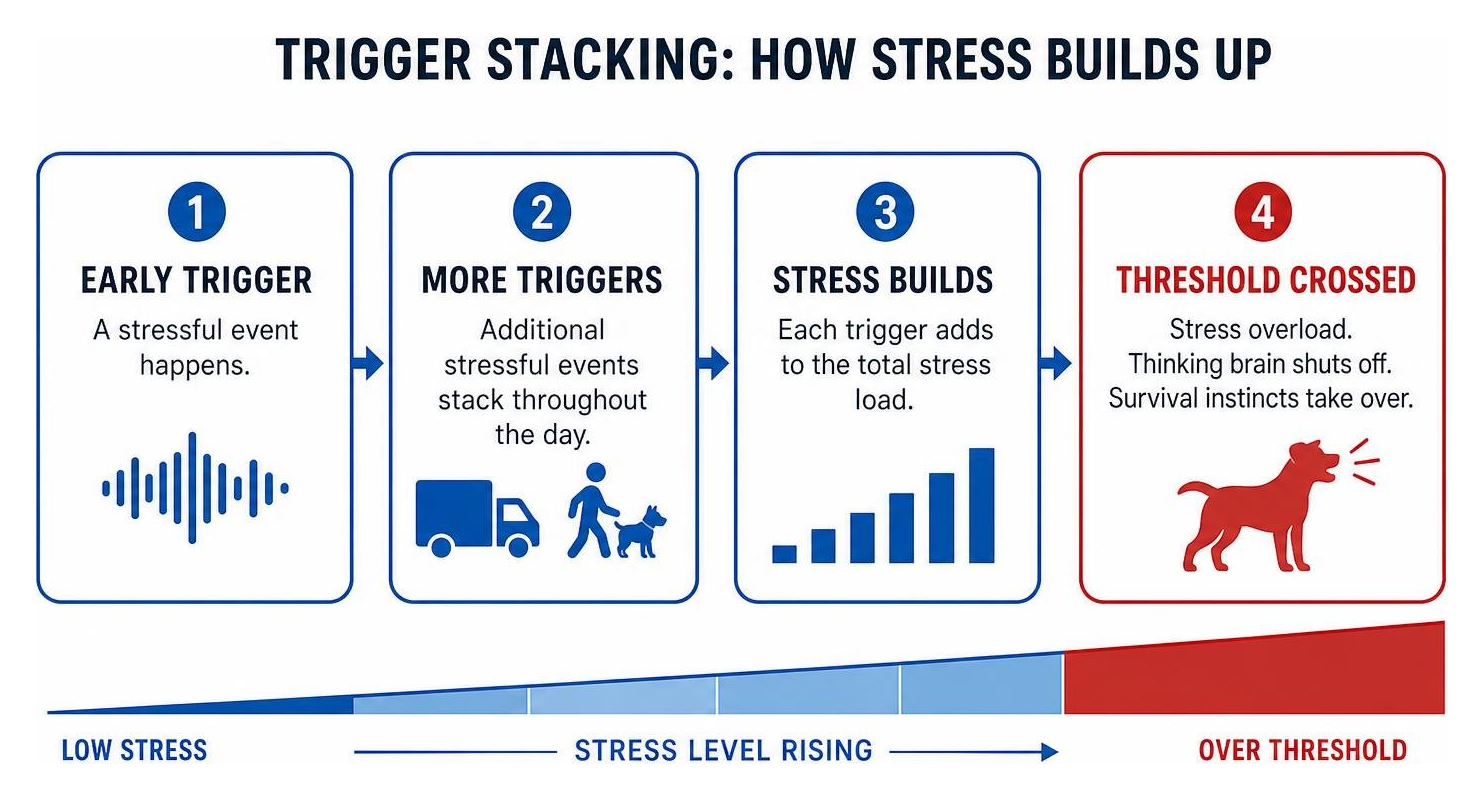
Another huge factor is trigger stacking. Imagine waking up to an alarm that did not go off, spilling your coffee, and hitting bumper-to-bumper traffic. By the time you get to work, a tiny inconvenience might make you snap. Dogs experience the same buildup. A scary noise in the morning, a delivery truck at noon, and a passing dog on the afternoon walk can stack up until your pup completely loses impulse control. Giving your dog proper decompression periods, quiet days, sniff-heavy walks, and safe resting zones can dramatically improve their responsiveness. According to the American Kennel Club, understanding the root cause of a behavior is the first step toward changing it.
Comparing Options for Disobedient Dog Training Near Me
Finding the right format makes a massive difference in how quickly your dog learns and how well those good habits stick. Every dog and household dynamic is different, so it helps to compare the main training styles side by side.
| Program Type | Best Suited For | Distraction Level | Owner Time Commitment | Key Benefits |
|---|---|---|---|---|
| In-Home Private Coaching | Dogs with home-specific issues (door rushing, jumping on guests, yard barking) | Low to Medium (starts in your living room) | High (you practice daily between sessions) | Hands-on coaching in your real living environment |
| Board-and-Train Programs | Busy owners, severe habit reformation, jump-starting basic manners | High (real-world home setting & public outings) | Low during training, Moderate for post-transition | Rapid progress with daily professional reps in a home setting |
| Structured Practice & Walks | Building leash neutrality, burning mental energy, maintaining skills | Medium to High (neighborhood trails, parks) | Low (professionals handle the daily sessions) | Consistent real-world exposure and routine exercise |
If you are exploring professional dog training services, picking between these paths comes down to your personal schedule, budget, and where your dog struggles most.
In-Home Private Coaching vs. Board-and-Train Programs
In-home private lessons allow a trainer to step right into your world. We get to look at the exact doorway where your dog barks, the kitchen counter they raid, and the neighborhood sidewalk where they pull. It focuses heavily on teaching you the mechanics: leash handling, reward timing, and environmental management.
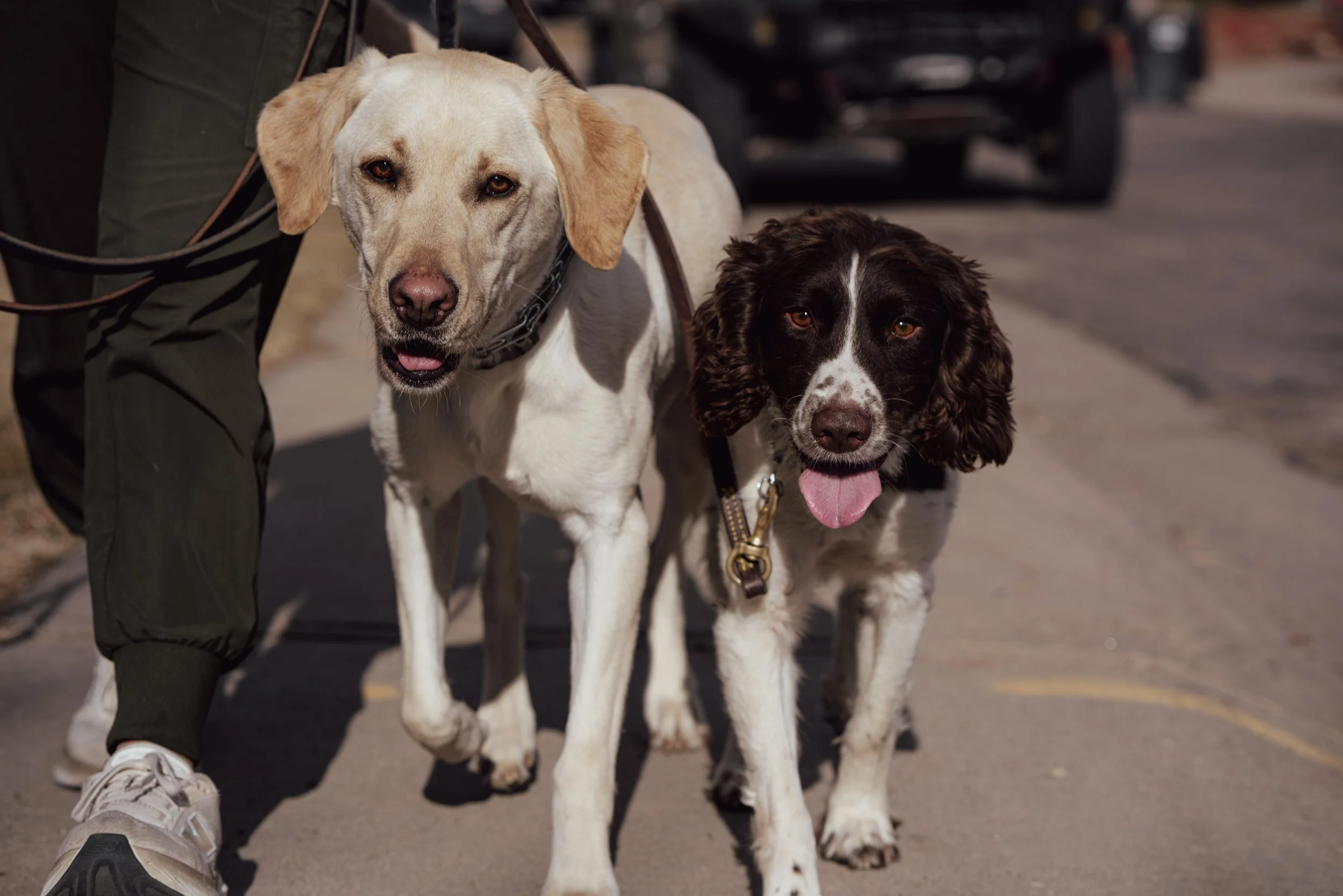
On the flip side, board-and-train programs in a home environment provide immersive learning. Instead of living in a noisy commercial kennel, your pup stays inside a real home, practicing daily manners around living rooms, kitchens, and yards. This setup lets a professional put in hundreds of clean repetitions every day, creating a rock-solid foundation. When combined with regular structured dog walking, your dog learns to stay calm and attentive no matter what distractions pop up on the sidewalk.
When Distraction-Based Practice Works Best for Disobedient Dogs
Once basic obedience is learned inside a quiet room, dogs need proofing. Distraction-based practice teaches your dog handler focus in the presence of real-world triggers like passing joggers, bikes, or other dogs. The goal is peer neutrality: teaching your dog that other animals and people are completely uninteresting background noise. This bridges the gap between a dog who listens inside the kitchen and one who listens at a busy community park.
Core Skills and Proven Methods for Stubborn or Reactive Dogs
Industry studies show that roughly 98% of all dogs can be successfully trained, regardless of their breed, age, or past behavior quirks. The secret lies in breaking down complex human expectations into crystal-clear steps that make sense to a canine.
Essential Foundation Commands to Resolve Disobedience Fast
To turn disobedience into reliable teamwork, reputable programs focus on a core set of functional behaviors:
- Loose-Leash Walking: Walking politely on a loose leash removes physical tension, which instantly lowers a dog's arousal level and makes them more receptive to your cues.
- Emergency Recall: A fast, enthusiastic response to a recall cue keeps your dog safe and gives you peace of mind in open areas.
- The "Place" Command: Teaching your dog to go to an elevated bed or mat and stay there until released builds massive impulse control. It solves door-dashing, counter-surfing, and jumping on guests.
- Engagement and Eye Contact: Rewarding your dog for checking in voluntarily teaches them that looking at you is the most rewarding choice they can make.
- Clear Release Cues: Words like "Free" or "Break" teach your dog that a command like stay does not end until you give permission.
Modern Positive Reinforcement vs. Outdated Dominance Techniques
Decades of animal behavior science have proven that modern positive reinforcement is the safest, most effective way to modify behavior. Outdated dominance techniques that rely on physical intimidation, alpha rolls, or heavy corrections often suppress symptoms temporarily without addressing the underlying emotional state. A suppressed dog might stop growling, but their underlying anxiety remains, which can lead to unpredictable reactions down the road.
By using reward-based operant conditioning and respecting the humane hierarchy of training, we build trust. Your dog listens not out of fear of punishment, but because they clearly understand the task and find working with you genuinely rewarding.
What to Expect: Costs, Timelines, and Owner Accountability
Transforming problem behaviors into reliable habits takes teamwork. While professional trainers can teach new skills quickly, long-term success depends heavily on handler consistency at home.
How to Find Ethical Disobedient Dog Training Near Me
When vetting local options, ask detailed questions about methodology and background. A reputable professional will gladly share their experience, offer an initial evaluation, and walk you through how they customize their plan for your dog. You can learn more about our philosophy and team background on our trainer background and methodology page.
A great trainer will also give you clear homework assignments, track progress session by session, and make sure you feel confident handling your dog before sending you off on your own.
Evaluating Guarantees and Program Success for Disobedient Dog Training Near Me
Be cautious of trainers offering 100% lifetime guarantees that your dog will never misbehave again. Dogs are living animals with changing emotions, health needs, and environmental influences. Instead, look for programs with strong track records, verified local reviews, clear behavioral milestones, and robust follow-up support such as video check-ins, written guides, or refresher options.
Frequently Asked Questions About Disobedient Dog Training
How long does it take to fix severe dog disobedience?
Most dogs show significant improvement within 2 to 4 weeks of structured, consistent training. However, deeply ingrained habits or intense reactivity can take several months of regular practice to fully reshape. Your daily consistency at home is the biggest factor in how quickly those changes become permanent.
Can an older dog unlearn established bad habits?
Yes! The old saying that you cannot teach an old dog new tricks is completely false. Senior dogs often learn remarkably fast because they have calmer energy levels than puppies. With positive motivation and a clear daily routine, older dogs can easily replace bad habits with great manners.
What is the average cost of professional dog training programs?
Costs vary depending on the format and duration. Private in-home lessons typically range from $100 to $200 per session, while comprehensive home-style board-and-train programs generally run between $1,500 and $3,500+ depending on the dog's behavioral needs. A comprehensive package should include an initial assessment, hands-on owner turnover lessons, and ongoing support materials.
Wrapping It All Up
Living with an unruly dog can be exhausting, but you do not have to figure it out all on your own. With the right mix of clear communication, fair boundaries, and fun daily practice, even the most rambunctious pup can transform into a calm, dependable companion.
Ready to bring peace back to your walks and home life? Feel free to contact our team today, or visit Good Dog Greeley to explore our personalized training programs across Greeley and the surrounding Northern Colorado communities. We would love to meet you and your four-legged best friend!