Puppy Behavior Classes: A Practical Guide to Early Training
Choose Puppy Behavior Classes Early for Better Habits

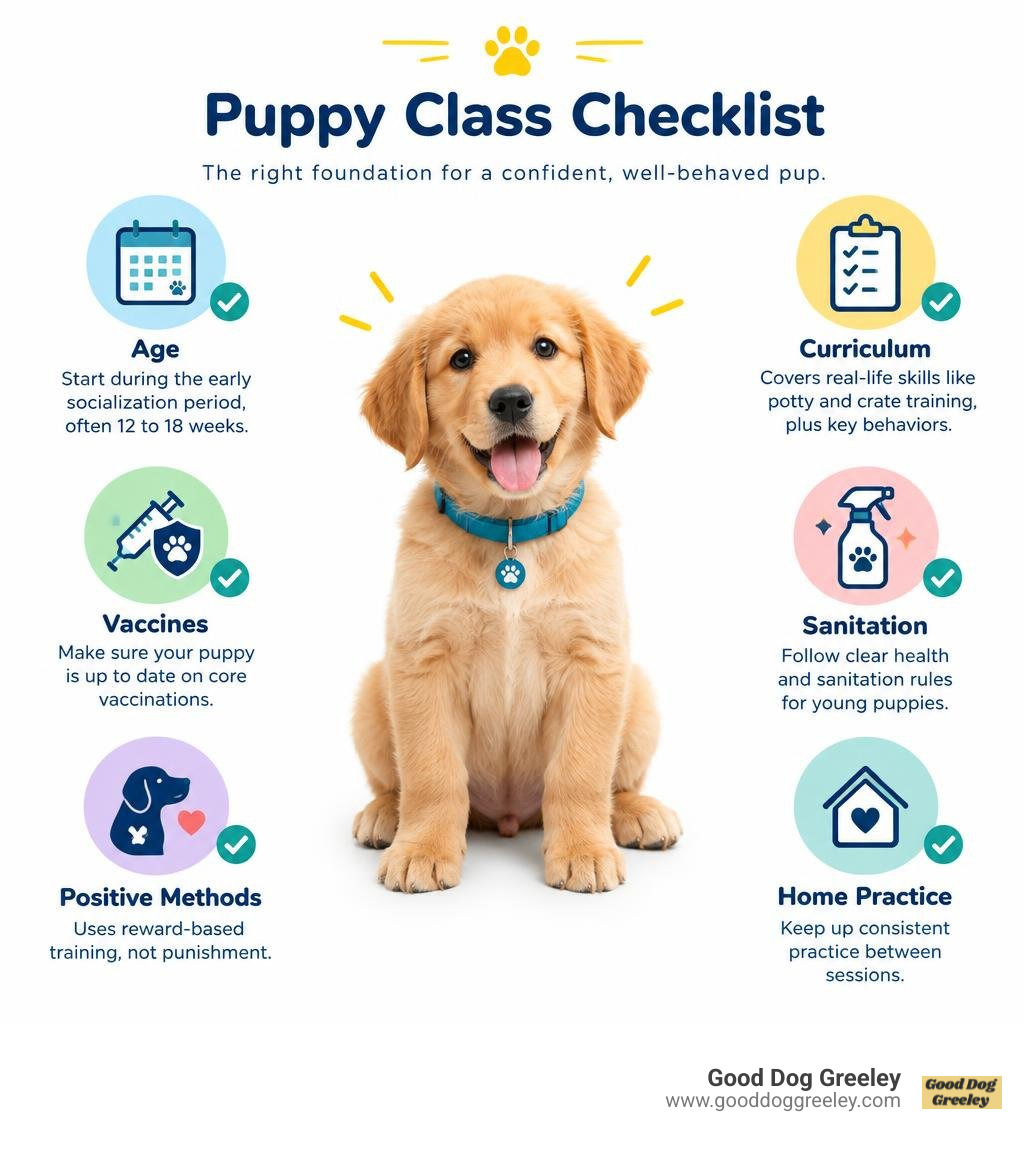
The best puppy behavior classes start during the early socialization period, often around 12 to 18 weeks, and teach both the puppy and the owner what to practice at home. Look for a small, well-managed class that uses positive reinforcement, covers real-life skills such as potty and crate training, and has clear health and sanitation rules for young puppies.
A good class is not just puppy playtime. It gives your puppy safe exposure to people, handling, sounds, other dogs, and new places while building everyday habits: calm greetings, a gentle mouth during play, leash manners, coming when called, and settling down. Getting help early can also lower the risk of struggles like barking or lunging when scared, guarding food or toys, destructive chewing, and trouble being left alone.
The goal is simple: build confidence before bad habits have time to stick. Consistent practice between sessions matters just as much as the class itself.
I am Katelyn Mendigorin, owner of Good Dog Greeley, with a decade of hands-on experience helping dogs and their people through structured training, behavior work, and daily walks. I use that practical experience with puppy behavior classes to help busy owners build clear routines and good manners from the start.
Key Benefits of Enrolling in Puppy Behavior Classes
Bringing home a young pup is pure joy, but it also comes with razor-sharp baby teeth, mystery puddles on the rug, and plenty of boundless energy. Enrolling in a structured program gives you the roadmap you need during those chaotic early months.
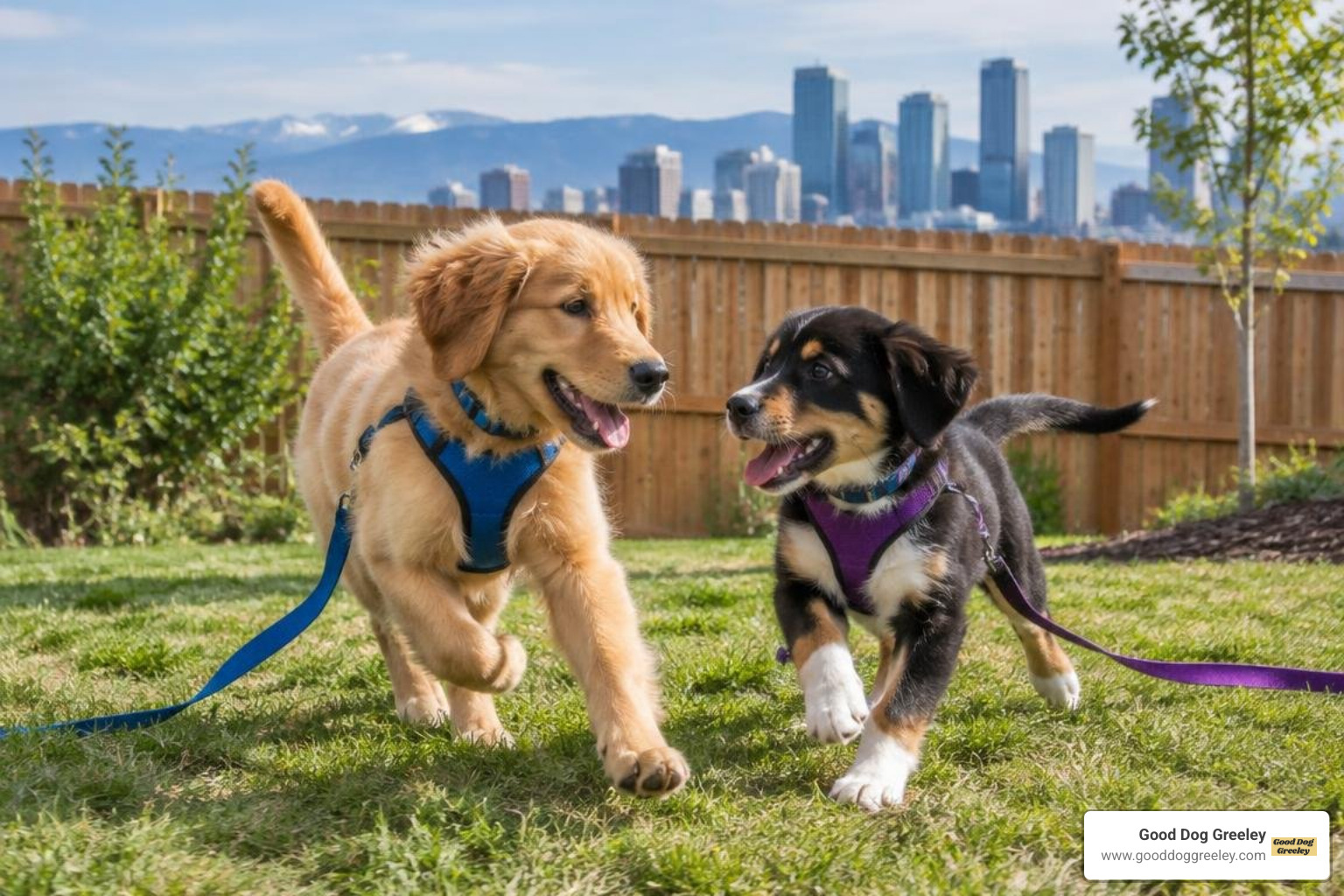
A good training class helps your puppy build confidence, with you there to guide them. Positive reinforcement means rewarding the behaviors you want with things your pup enjoys, like treats and praise. When new sights, unusual sounds, and unfamiliar people come with good experiences, your puppy can start to feel more comfortable with the world. Learning together also helps strengthen your bond.
Making the Most of Your Puppy’s Early Learning Window (12–18 Weeks)
Your puppy's early window for getting comfortable with new experiences starts narrowing around 16 to 18 weeks. What your pup learns now can shape what feels safe or scary later.
A good puppy class helps your pup meet new sights, sounds, and experiences at a comfortable pace. Rather than overwhelming your dog at a busy dog park, a good class introduces different textures, gentle handling, funny hats, opening umbrellas, and calm interactions with other puppies. These gentle introductions can help your puppy grow into a more easygoing adult.
Helping Your Puppy Feel Comfortable Around Dogs, Food, and Alone Time
Most major behavior problems do not just pop up out of nowhere when a dog turns two years old. They usually start as small insecurities or missed learning opportunities during puppyhood.
Early classes tackle these issues before they turn into major headaches:
- Fear and Leash Reactivity: Puppies learn to focus on their handler around other dogs instead of barking or lunging out of frustration or fear.
- Resource Guarding: We teach puppies that human hands near food bowls, chews, and favorite toys mean great trades, not a threat of losing their treasures.
- Separation Anxiety: By practicing short, positive moments of independence, puppies build the confidence to rest alone comfortably.
- Gentle Play and Learning to Pause: Puppies practice pausing during play and using a softer mouth, called bite inhibition. You'll also help them choose chew toys instead of your hands.
For extra tips on navigating puppy quirks, you can check out the Trainers Blog for regular updates and real-world advice.
What Your Puppy Can Learn in Class
A great class goes beyond simple tricks. Rolling over is adorable, but polite greetings, loose-leash walking, and paying attention to you are useful every day. We use lure-reward training: a treat guides your puppy into position, then a reward helps them learn the skill. If you need more hands-on support as your dog grows, explore our services to find the right fit for your lifestyle.
House-Training, Crate Games, and Learning to Wait
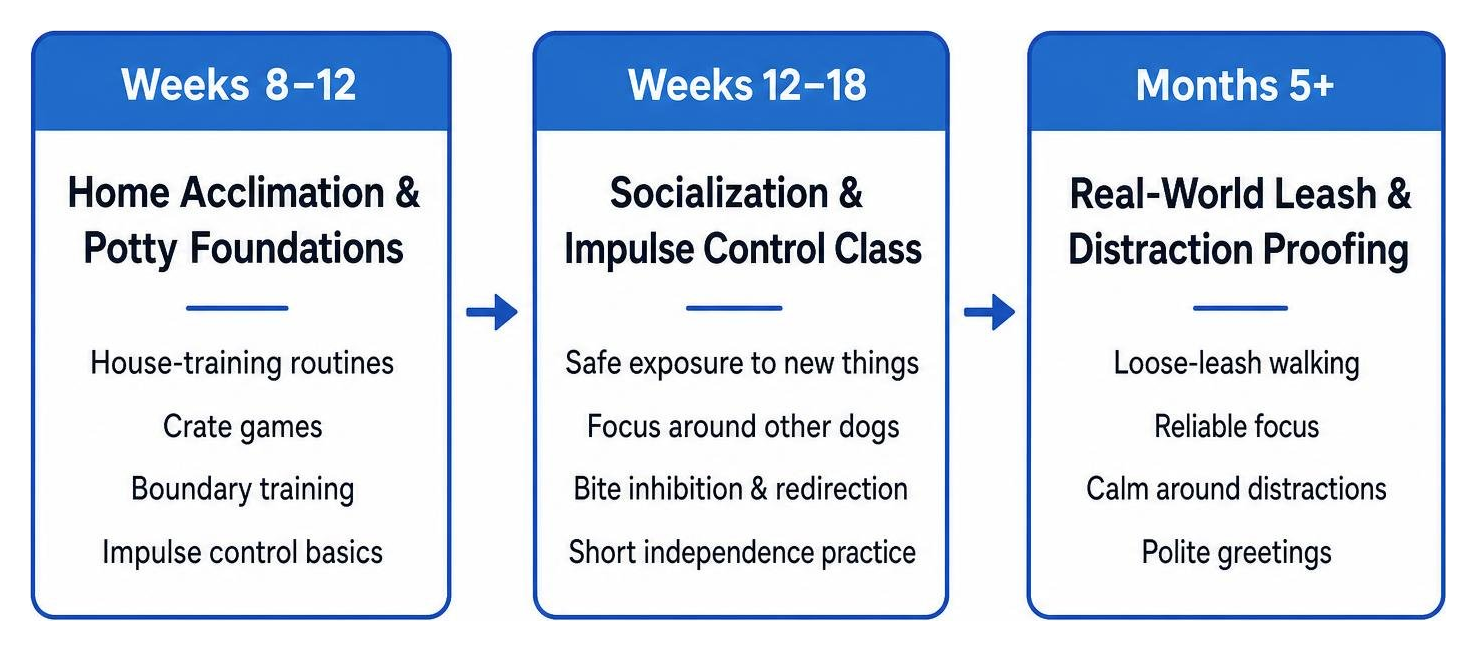
Potty routines and crate comfort are the backbones of a peaceful household. Crate training is like a superpower for new puppy owners because it keeps your dog safe, prevents destructive chewing, and speeds up house-training.
In class, you will learn how to turn the crate into a cozy den using fun crate games rather than a place of isolation. You will also practice boundary training at open doorways, teaching your pup that bolting outside is off-limits until they hear a release cue. Adding a clear "settle" command gives high-energy pups a switch to help them power down on a mat after playtime.
Handling, Calming Exercises, and Off-Leash Focus
Your vet and groomer will appreciate this part of training! You can practice gentle ear checks, paw handling, and nail-trim preparation with rewards to help your puppy feel comfortable. Taking it slowly can make routine exams easier, too.
Classes also teach fun games that help your puppy come when called. Puppies naturally want to stay close to their humans, making this age the sweet spot to build enthusiasm for coming when called. Practicing quick check-ins and ways to settle down helps your puppy when all that excitement gets to be a bit much.
In-Person Puppy Behavior Classes and At-Home Practice
Both hands-on classes and at-home learning have their place in raising a well-adjusted dog. In-person classes provide real-time trainer feedback and safe, controlled distractions that you simply cannot recreate in your living room. Meanwhile, daily at-home practice cements those skills into everyday life.
| Feature | In-Person Group Classes | At-Home Practice |
|---|---|---|
| Trainer Feedback | A trainer helps you time rewards and practice each skill | Self-guided using class homework |
| Distraction Level | High (other puppies, novel smells, new people) | Low (familiar, controlled environment) |
| Socialization | Safe puppy meet-and-greets watched by a trainer | Focus on household items and family members |
| Best Used For | Building focus amid distractions and early manners | Practicing basic cues and everyday routines |
What to Expect Inside In-Person Puppy Behavior Classes
In a well-run class, puppies have space and breaks so they don't get overwhelmed. Trainers help you read your puppy's body language, so you can spot friendly, back-and-forth play and notice when your pup needs a breather.
Trainers help your pup practice paying attention with distractions nearby, like another excited puppy just ten feet away. They'll also help you time rewards so you encourage the habits you want, rather than jumping or barking.
How At-Home Practice Supports Puppy Behavior Classes
Class gives you the tools, but home is where the magic happens. Short, five-minute training sessions sprinkled throughout the day help your pup retain their manners. Whether you are practicing sit-stays before mealtime or rewarding calm behavior while working from home, consistent practice turns new cues into second-nature habits.
If you are curious about our training philosophy and how we help families throughout Greeley, Denver, and surrounding communities, take a moment to read about our background.
Getting Ready for a Safe, Clean Puppy Class
Puppy safety comes first in a group class. Young puppies are still getting their main vaccines, so look for a class with clear health and cleaning rules to help keep everyone safe.
Vaccination Schedules and Age Limits
Check the program's age limits before signing up, including whether it welcomes puppies between 12 and 18 weeks old. Look for a group suited to your puppy's age and play style. Before joining class, bring proof that your puppy has the vaccinations the program requires for their age.
Check the class's vaccine requirements with your vet before signing up. If a program asks for two DHPP or DHLPP shots given 2 to 3 weeks apart, with the second at least 5 days before class, confirm that your puppy's vaccination schedule meets those rules. DHPP covers distemper, hepatitis, parainfluenza, and parvovirus; DHLPP also covers leptospirosis. Waiting after a shot gives your pup's immune system time to respond. An adult will need to come along each time and help your puppy practice.
A Clean Space for Young Puppies
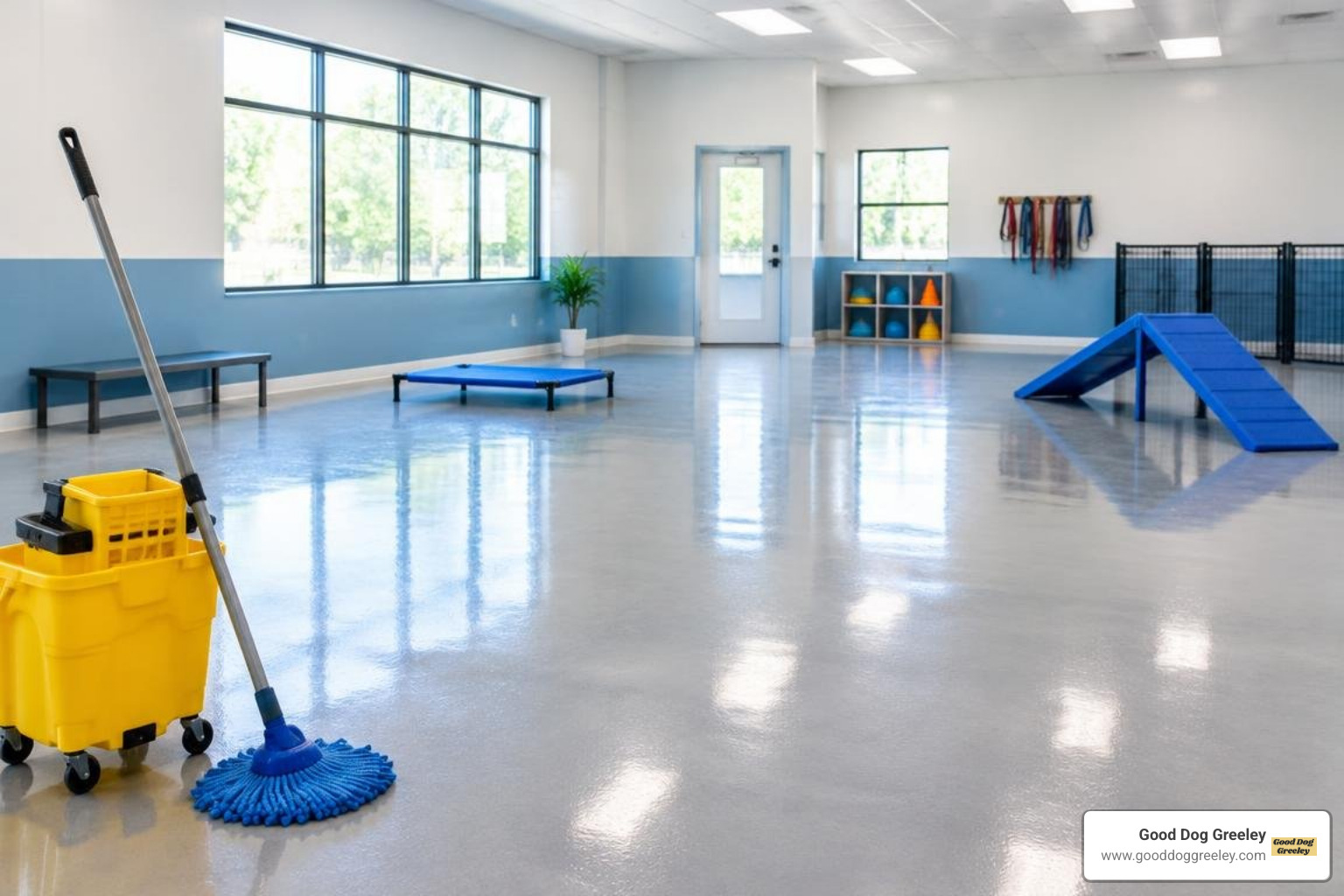
Ask how the class cleans floors, crates, and equipment before and after each session. Look for disinfectants suitable for use against illnesses like parvovirus, rather than relying on a quick wipe-down.
Some classes ask you to carry your puppy inside from the parking lot instead of walking across public grass where unvaccinated dogs may have been. Carrying your puppy inside and using clean mats that don't absorb liquids can help lower health risks while your pup gets comfortable with new friends and experiences.
For additional resources on puppy care and training schedules, take a moment to read about our background and approach.
Frequently Asked Questions About Puppy Training
How to Choose the Right Puppy Behavior Classes for Your Dog
Look for programs that use positive, force-free training methods and maintain small class sizes, ideally no more than four to six puppies per instructor. Ask about the curriculum to ensure it covers bite inhibition, handling, and real-life manners rather than just basic sit and stay commands.
If you are ready to get started or have questions about what program fits your pup best, contact us directly to chat about your puppy's needs.
What is the average cost of puppy training classes?
Group puppy classes typically range from $150 to $250 for a multi-week series. For example, a four-week, 50-minute foundational class often runs around $200, depending on the trainer's experience, location, and the level of hands-on coaching provided.
Can puppies attend classes before completing all vaccine rounds?
Your puppy may be able to join a class before finishing all their vaccine rounds. Talk with your vet about the right timing for your pup, and look for a class that follows strict cleaning rules and checks every puppy's vaccine records. For more on early socialization, visit the American Veterinary Society of Animal Behavior. Early learning matters, but your vet can help you weigh the health risks before you sign up.
Starting on the Right Paw
Getting ahead of behavior challenges during puppyhood is one of the best gifts you can give your dog and your family. Getting started early helps your puppy build confidence and good manners for everyday adventures.
At Good Dog Greeley, we bring over a decade of hands-on experience helping owners across Greeley, Denver, Erie, Broomfield, Louisville, Superior, Lafayette, Niwot, Cherry Hills Village, Greenwood Village, Highlands Ranch, Cherry Creek, Washington Park, Castle Rock, and Castle Pines. We would love to help you and your puppy build fantastic habits right from the start. Visit Good Dog Greeley today to find the right training path for your pup!